Guangzhou - Day 2
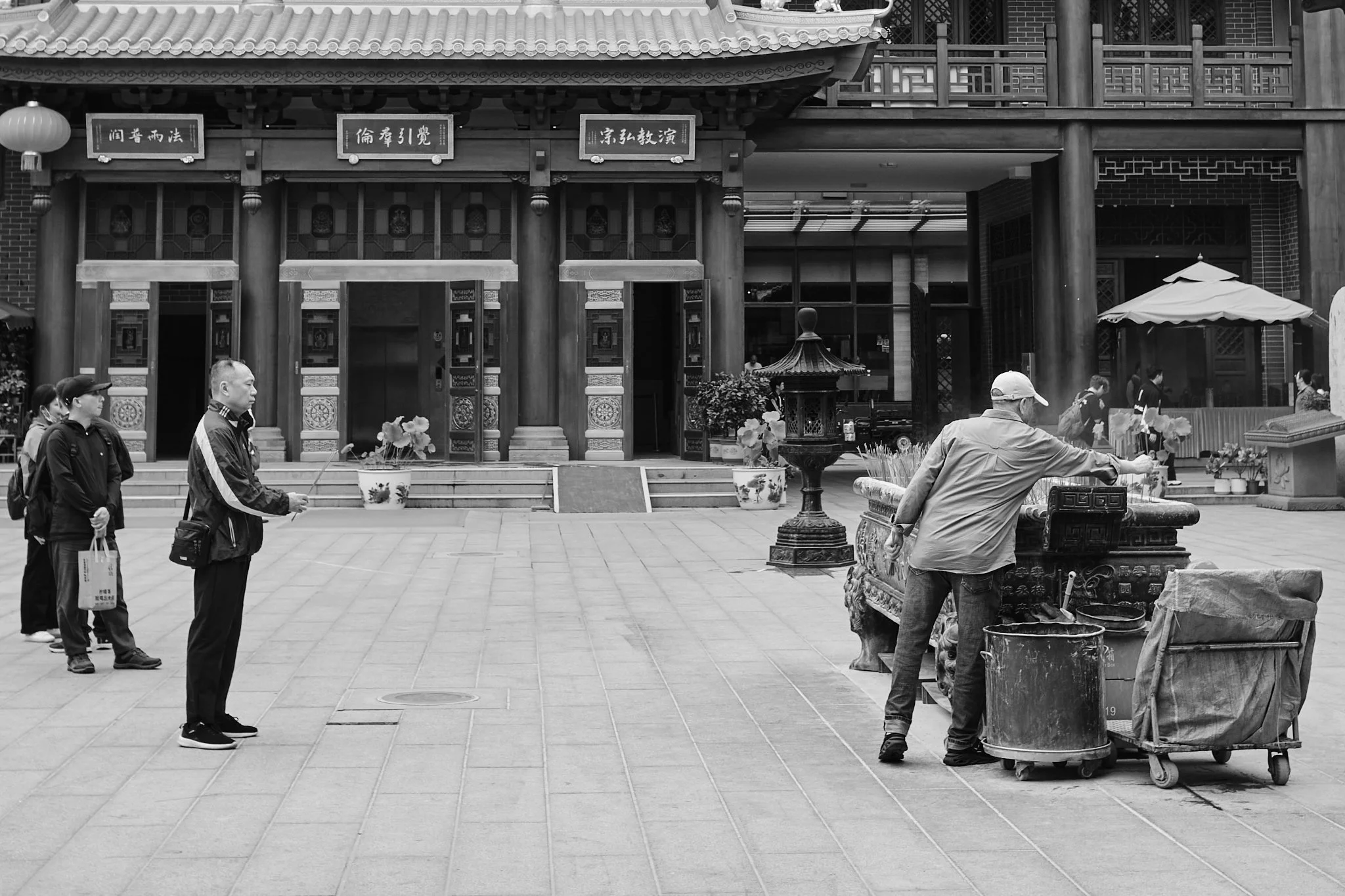
The second day began early as we headed toward some of Guangzhou’s most meaningful historical sites.
Sun Yat-sen Mausoleum
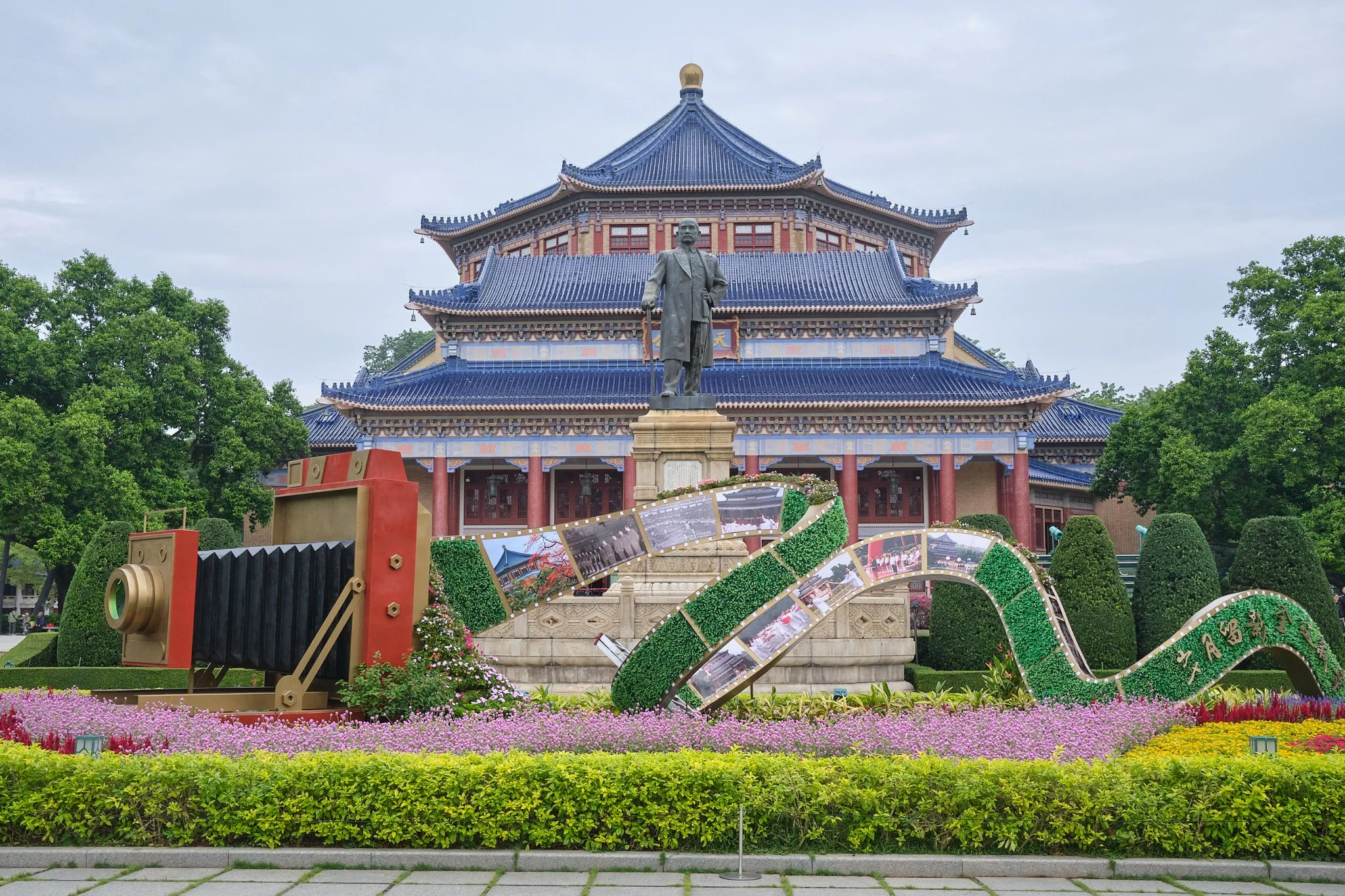
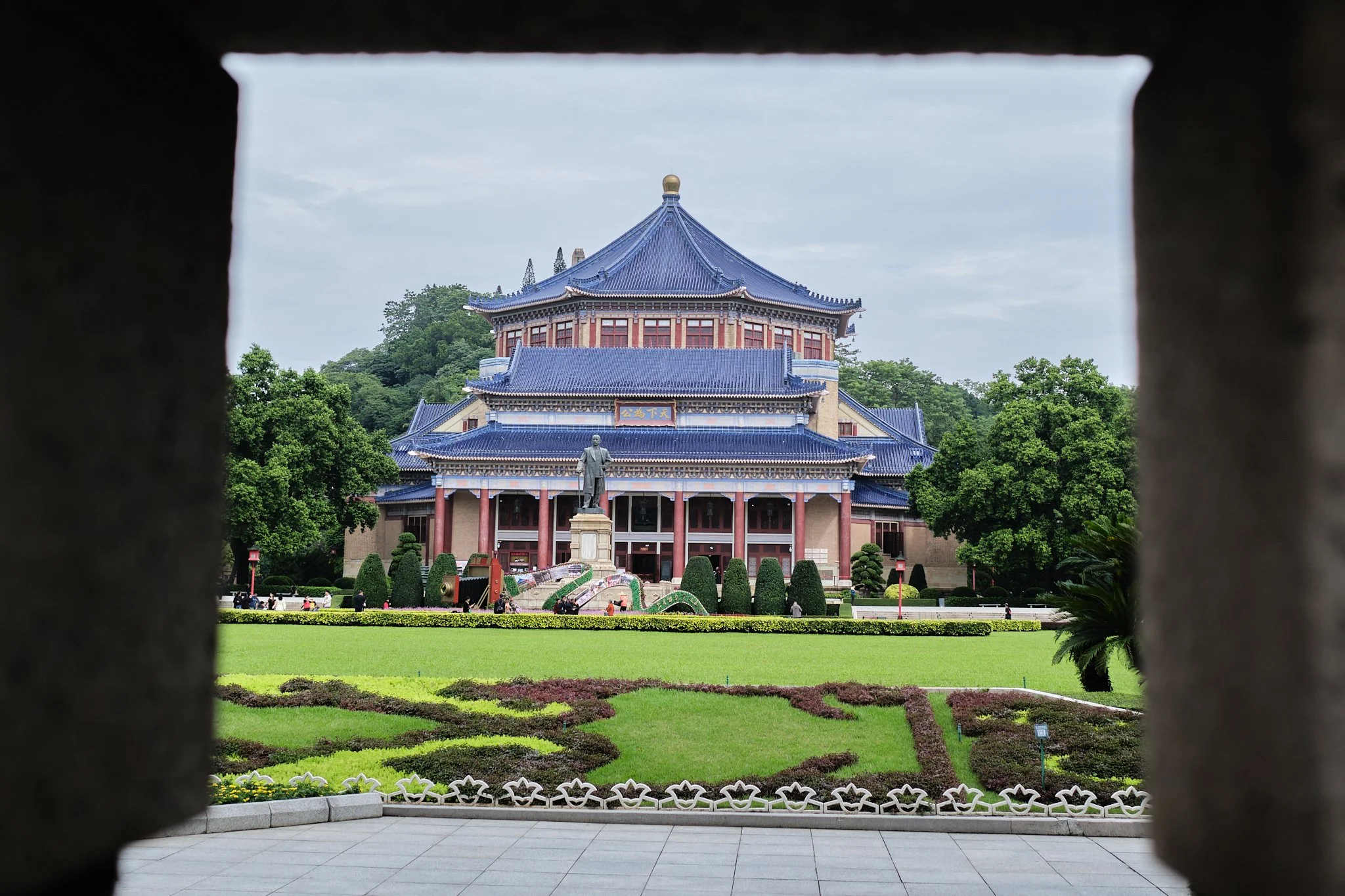
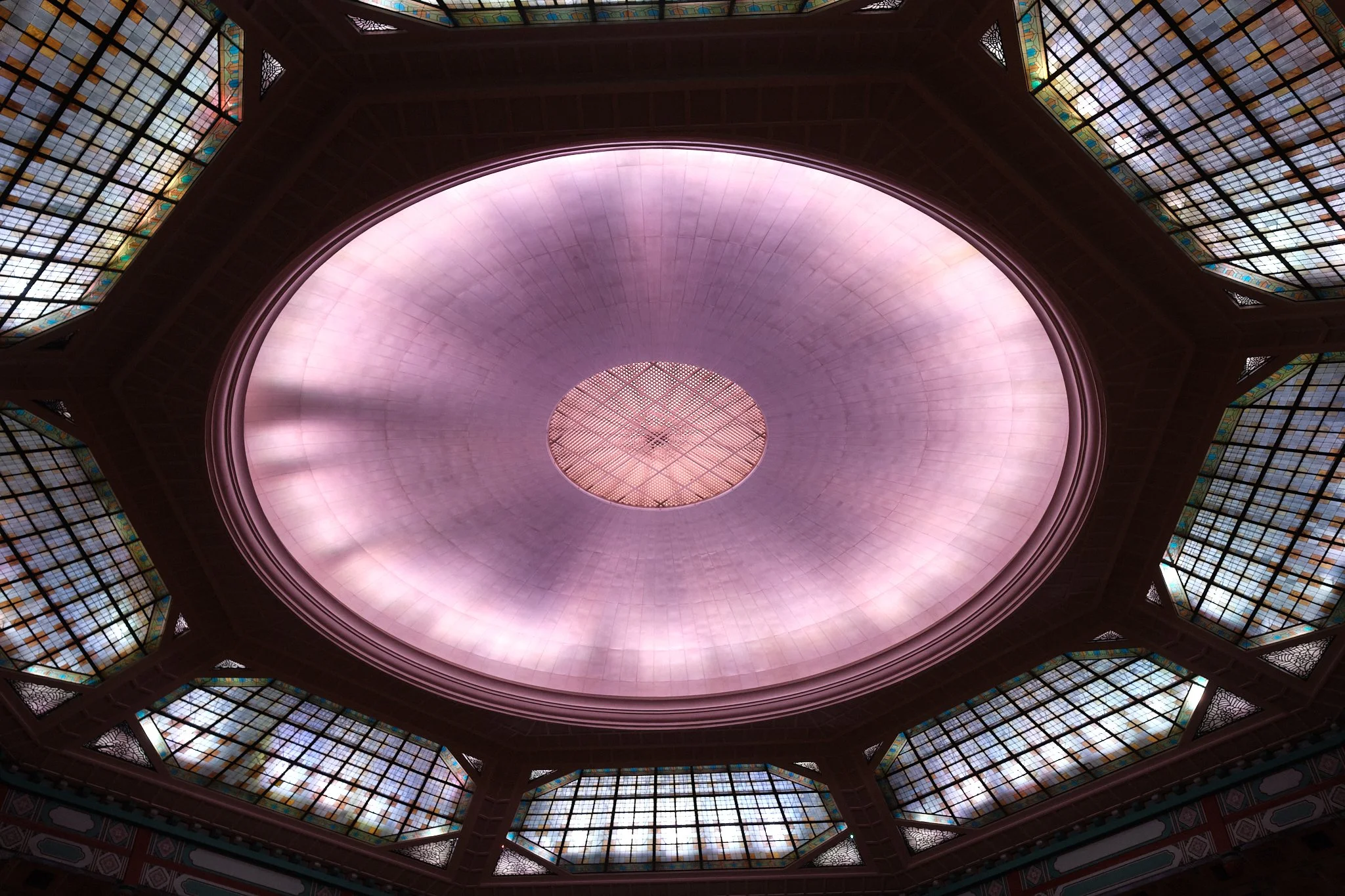
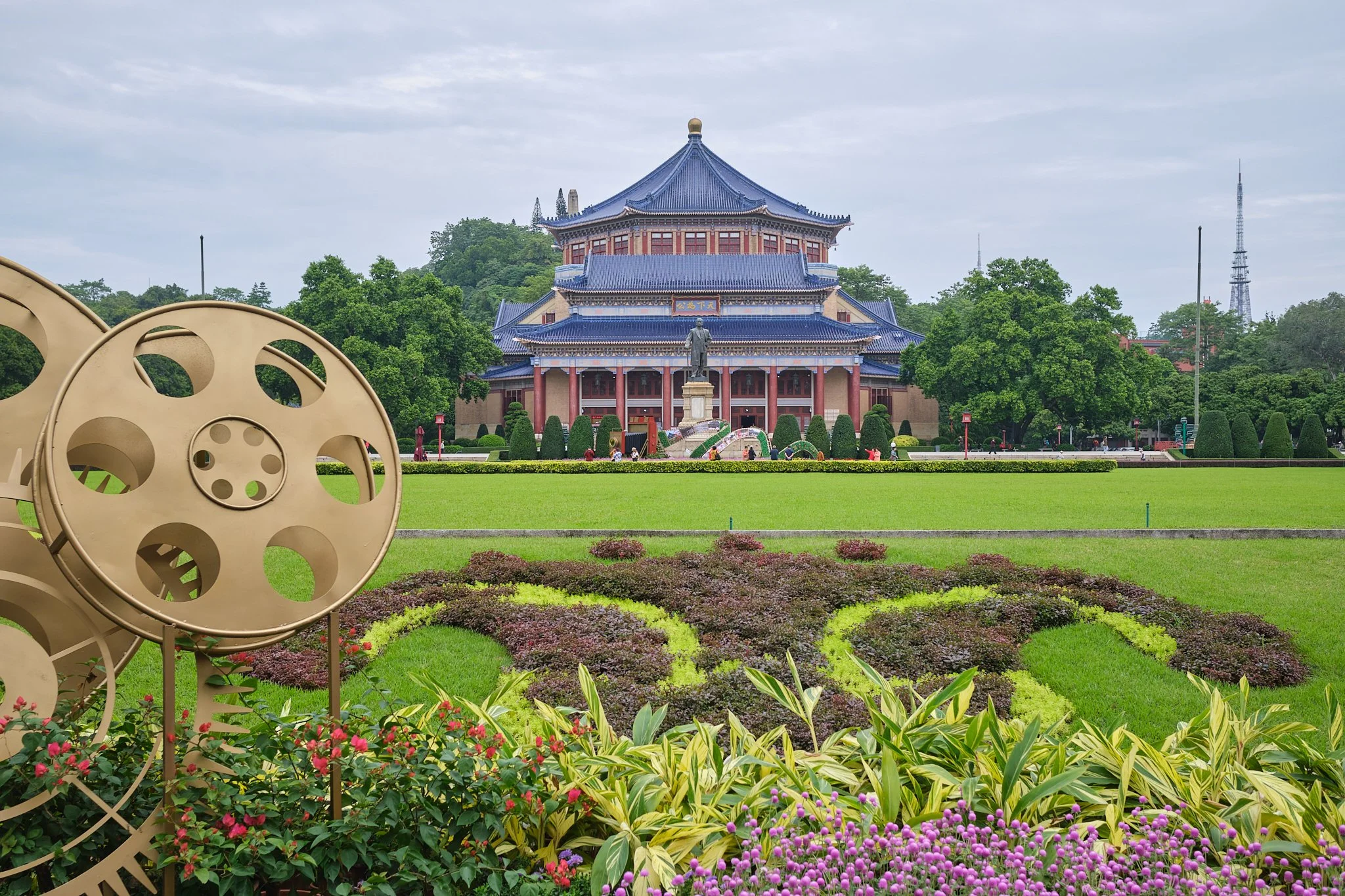
The Sun Yat-sen Mausoleum pays homage to one of the most influential figures in modern Chinese history. Sun Yat-sen, often called the Father of the Nation, played a pivotal role in overthrowing the Qing dynasty and shaping the early Republic of China. The grounds surrounding the mausoleum were calm, with towering trees and open walkways that invite visitors to reflect rather than rush.
The architecture blends both Eastern and Western influences—something symbolic of Sun Yat-sen’s own philosophy of modernization and unity.Yue Opera Museum – A Window Into Cantonese Performance Arts
Yuexiu Park
Yuexiu Park was right behind Sun Yat-sen Mausoleum, and it immediately felt like a breath of fresh air after the dense streets of Guangzhou. The park stretches across several hills, with winding paths shaded by banyan trees, small lakes, and pavilions tucked between patches of forest. Locals move through it at an easy pace—some doing tai chi at sunrise, others chatting over chess boards or strolling with family.
As we made our way upward, glimpses of the skyline appeared through the leaves, reminding us just how close the city still was. Yuexiu Park is full of history too, home to landmarks like the Five Rams Statue and parts of the old Ming Dynasty city wall. It’s the kind of place where you can wander for an hour and feel like you’ve stepped into a quieter, more local side of Guangzhou.
Guangzhou City Museum
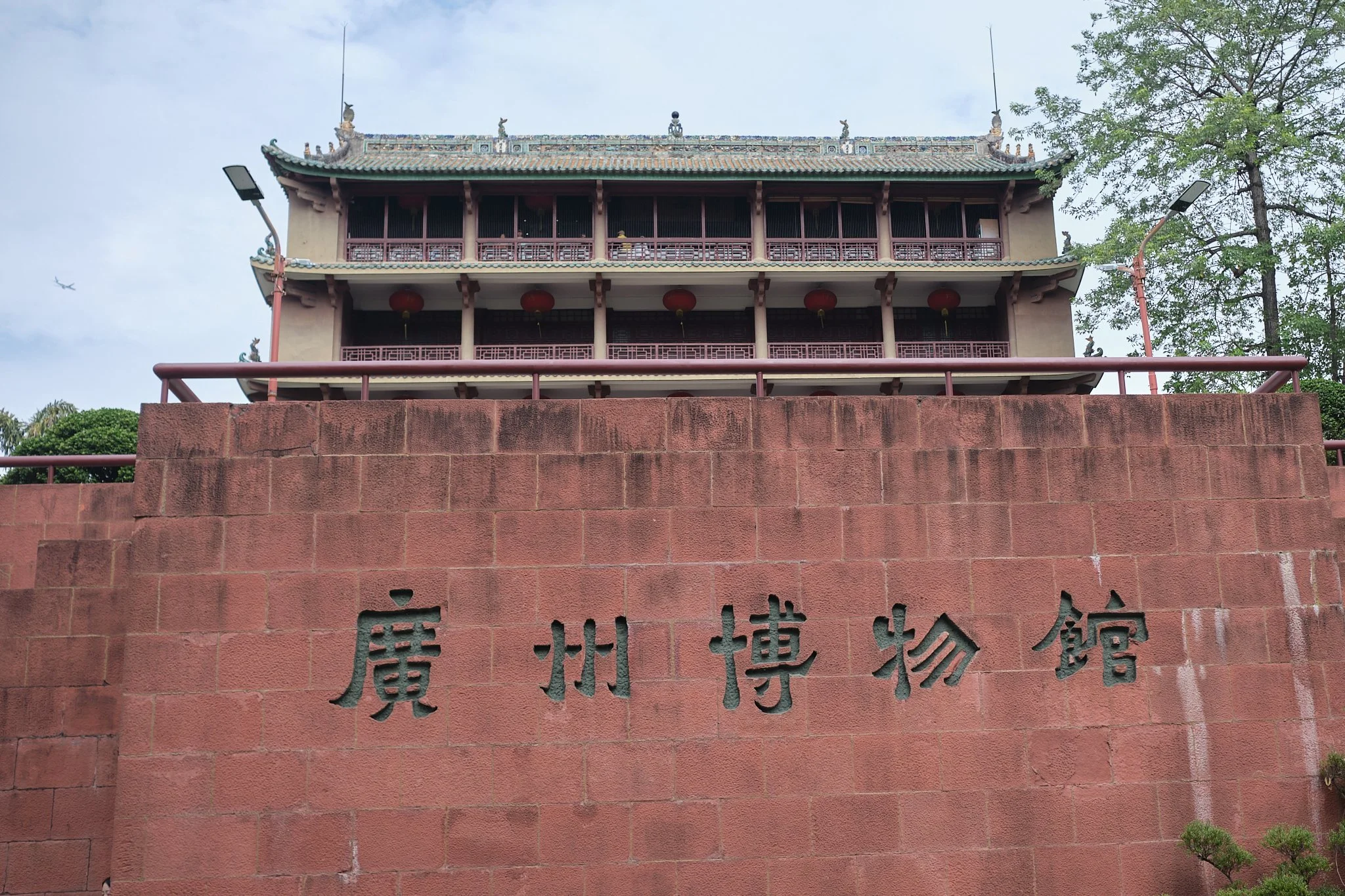
At the top of Yuexiu Park stands the Guangzhou City Museum, housed inside the striking red Zhenhai Tower. From the outside, the building looks like something lifted straight from an old painting—five stories, traditional roofs, and a commanding view over the park. Inside, the museum offers a compact but engaging look at Guangzhou’s long history, from its early days as a vital port on the Maritime Silk Road to the evolution of Lingnan culture.
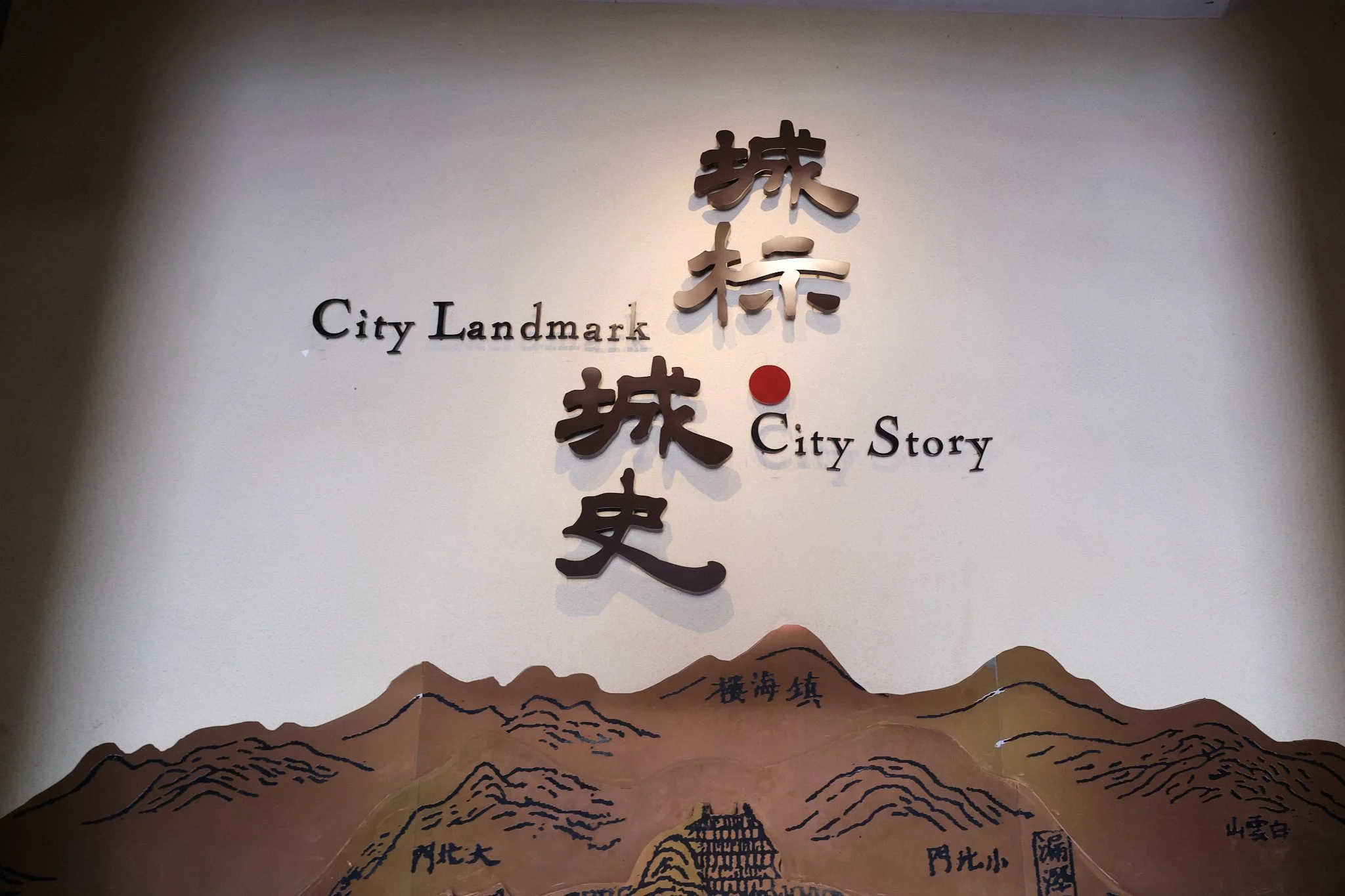
The exhibits are easy to follow and filled with artifacts, old maps, ceramics, and displays that show what everyday life looked like in past centuries. It doesn’t take long to walk through, but it leaves you with a solid understanding of the city. Before heading downhill, we paused by the upper windows, where the skyline stretches all the way to the Pearl River—modern Guangzhou framed by the walls of a centuries-old tower.minutes at a time and still discover something new.
This stop was easily one of the most captivating of the entire trip—a window into both artistry and history.
Beijing Road Pedestrian Street
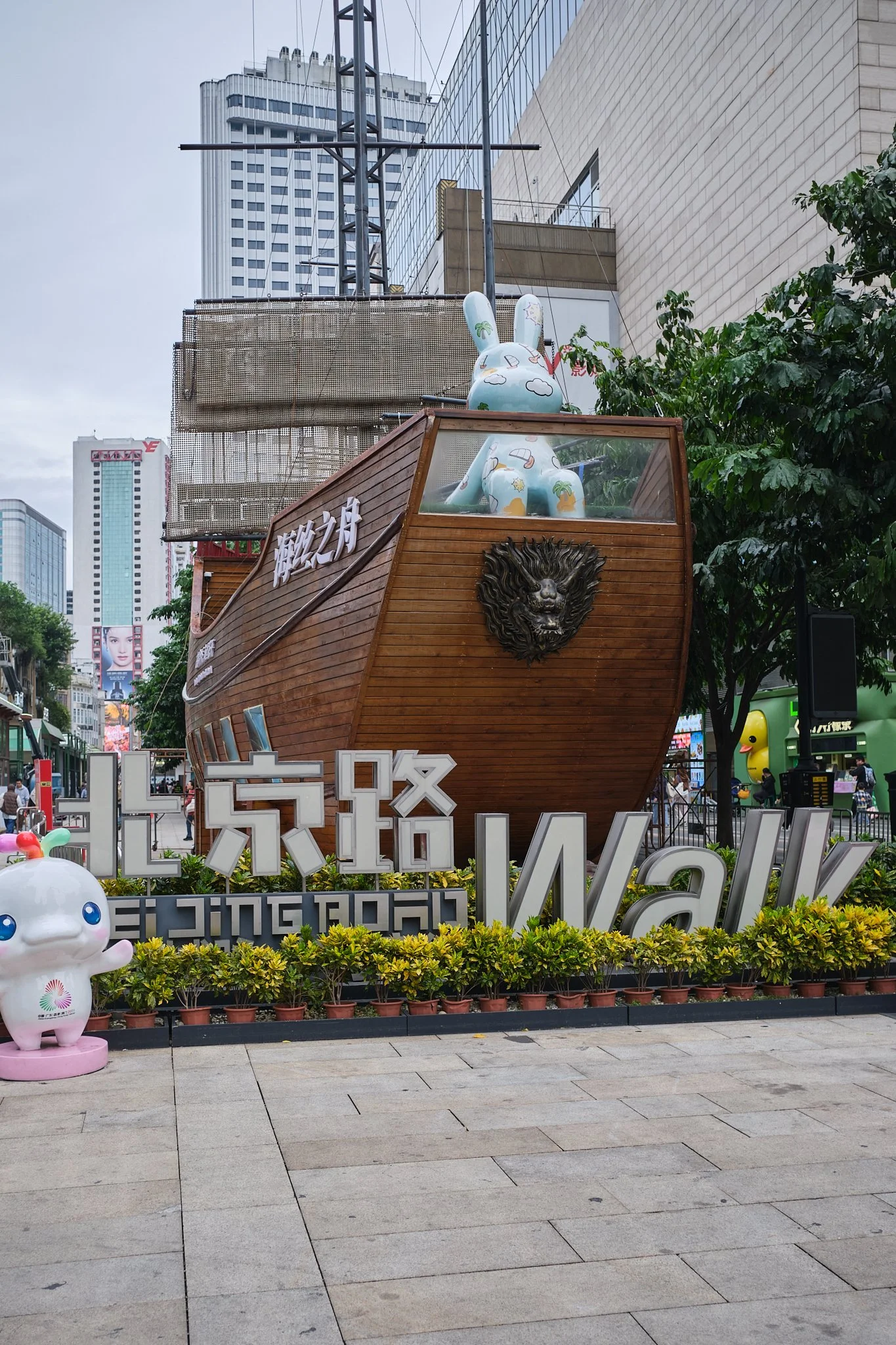
Beijing Road Pedestrian Street is one of Guangzhou’s busiest shopping areas, but what makes it stand out isn’t just the modern storefronts or the endless rows of snacks—it’s the history preserved right under the pavement. As you walk along the street, sections of the ground are made of thick glass panels revealing ancient stone roadways from the Song and Ming dynasties. These archaeological remnants show how Beijing Road has been a commercial center for centuries, long before it became the neon-lit thoroughfare it is today.
The atmosphere is lively and chaotic in the best way. Street food vendors line the sides with everything from grilled squid to sugar-coated fruit skewers, while shoppers weave in and out of clothing boutiques and souvenir shops. Even with the crowds, it’s easy to slow down and imagine the past layered beneath the present—merchants trading silk, spices, and ceramics in the same place where people now queue for bubble tea and sneakers. It’s one of the clearest examples of how Guangzhou blends its long, ancient heritage with its fast-paced modern identity.
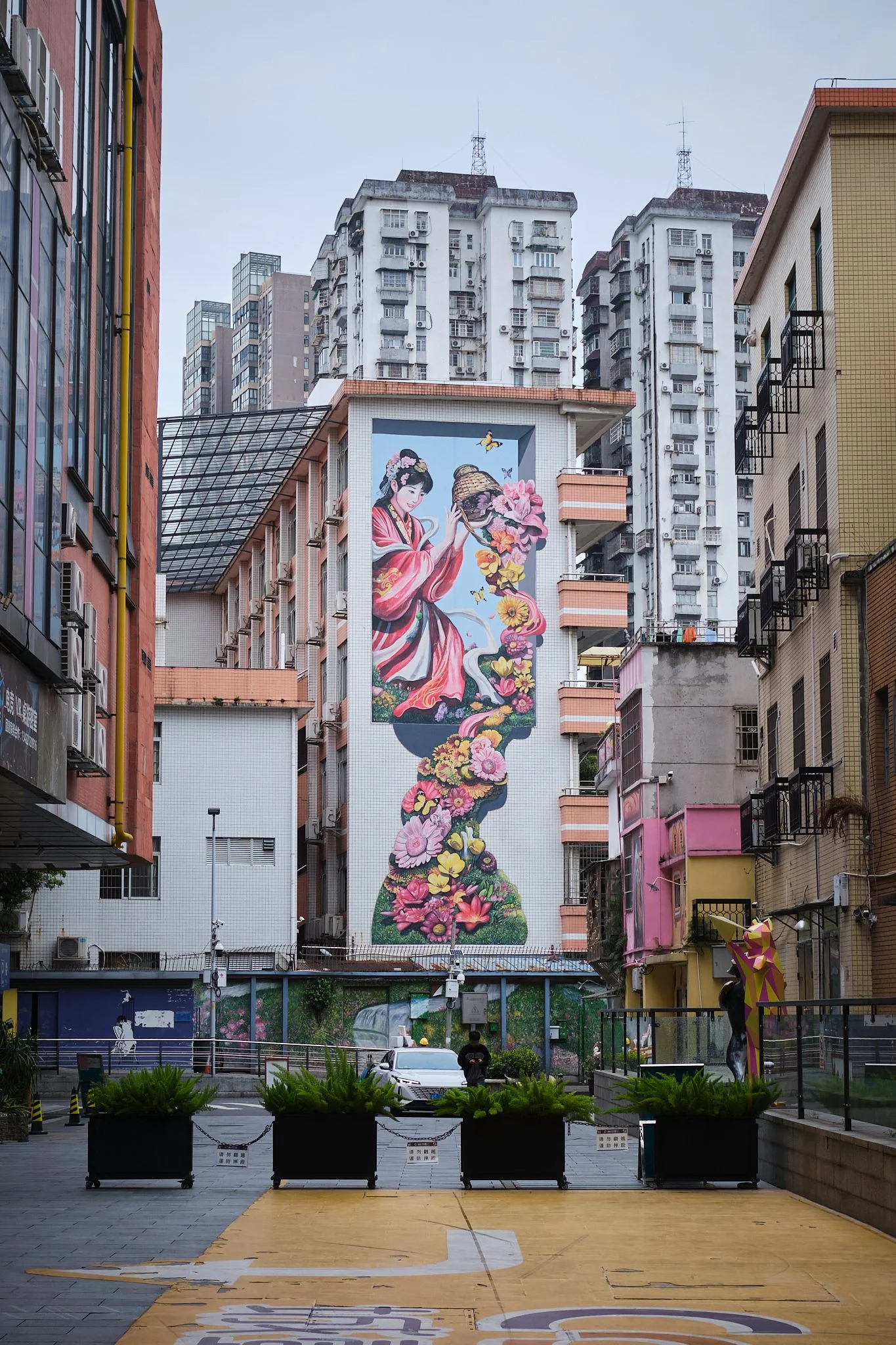
Sha Sai
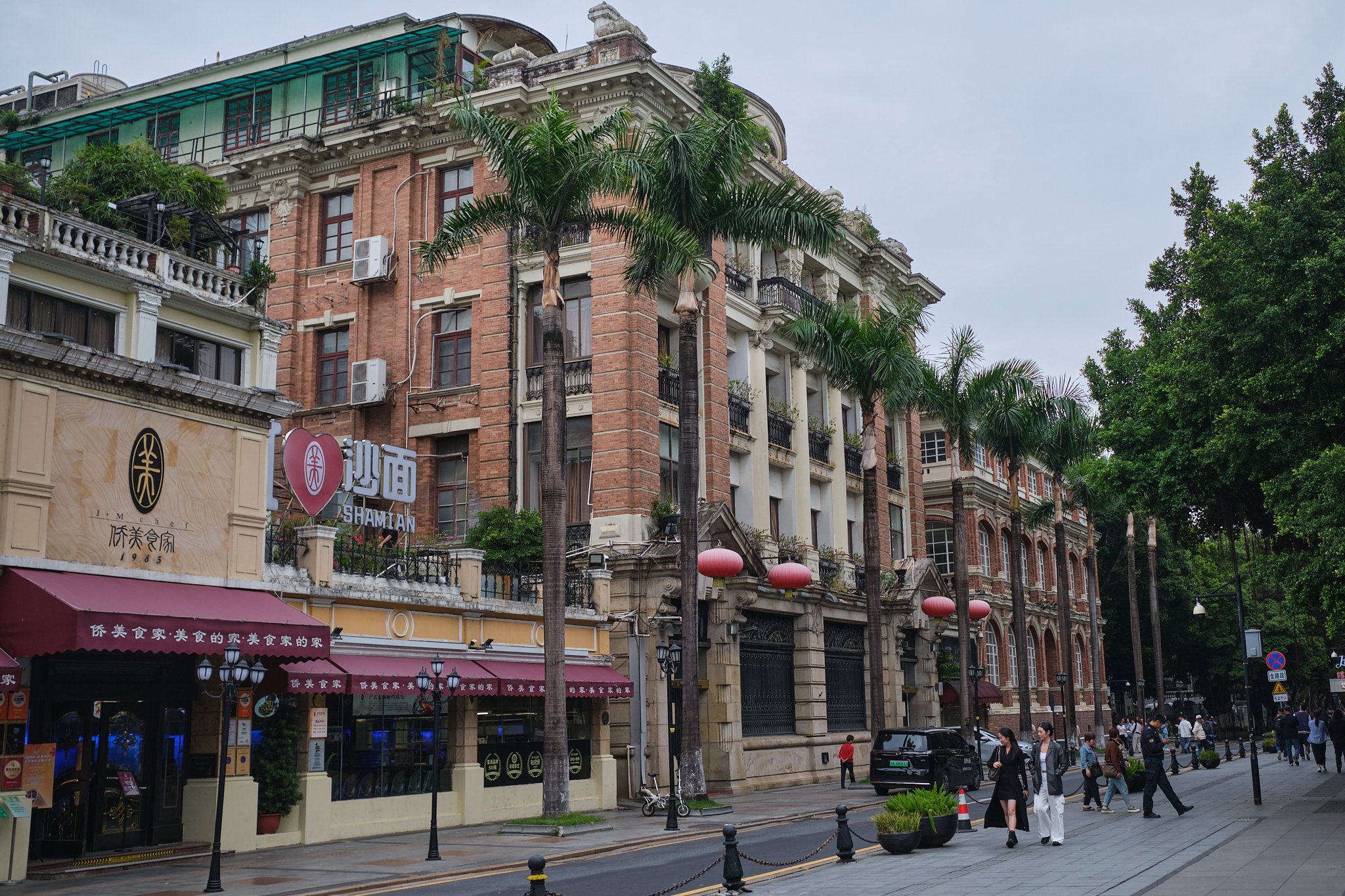
Sha Sai (沙塞)—sometimes spelled “Sha Xian” depending on translation—is a traditional Guangzhou neighborhood known for its food stalls and old-world atmosphere. Historically, this part of the city grew around small family-run eateries that served classic Lingnan dishes to local workers and travelers. Over time, it became a go-to spot for simple, flavorful Cantonese comfort foods: rice noodle rolls, fried oyster pancakes, clay pot rice, beef offal, and of course, Guangzhou’s beloved soups simmered for hours.
Walking through Sha Sai feels like stepping back a few decades. The streets are narrower, the buildings lower, and the pace noticeably slower than in Zhujiang New Town or Beijing Road. Elderly residents sit outside chatting, chefs cook right on the street over sizzling woks, and handwritten menus hang above tiny plastic stools. The food here isn’t polished or modern—it’s traditional, inexpensive, and deeply rooted in the culinary history of Guangdong.
Heading Back to Changping
Sha Sai marked the final stop of our two-day journey through Guangzhou. After finishing our last round of local dishes and taking in the neighborhood’s old-world charm, we made our way back to the car for the return drive. The city slowly gave way to highways lined with palm trees, construction sites, and glimpses of rural villages tucked between pockets of greenery. As we left Guangzhou behind, the energy of the city faded into a quieter rhythm, and within about two hours we were back in Changping. It was a fitting end to a trip that blended history, food, culture, and personal conversations—one more chapter added to our time in Guangdong.