Guangzhou - Day 1
Songshan Lake & A Conversation About Language
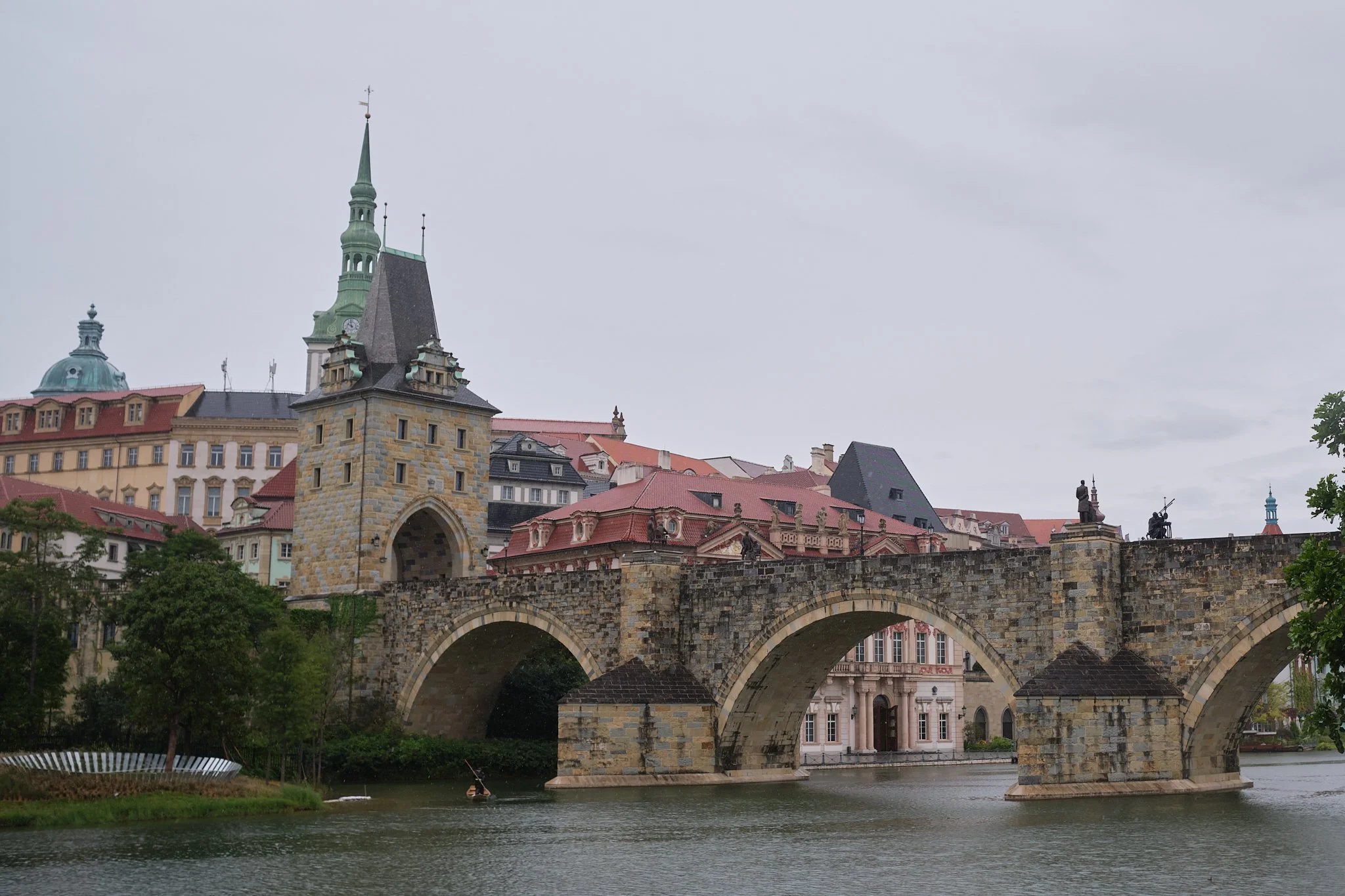
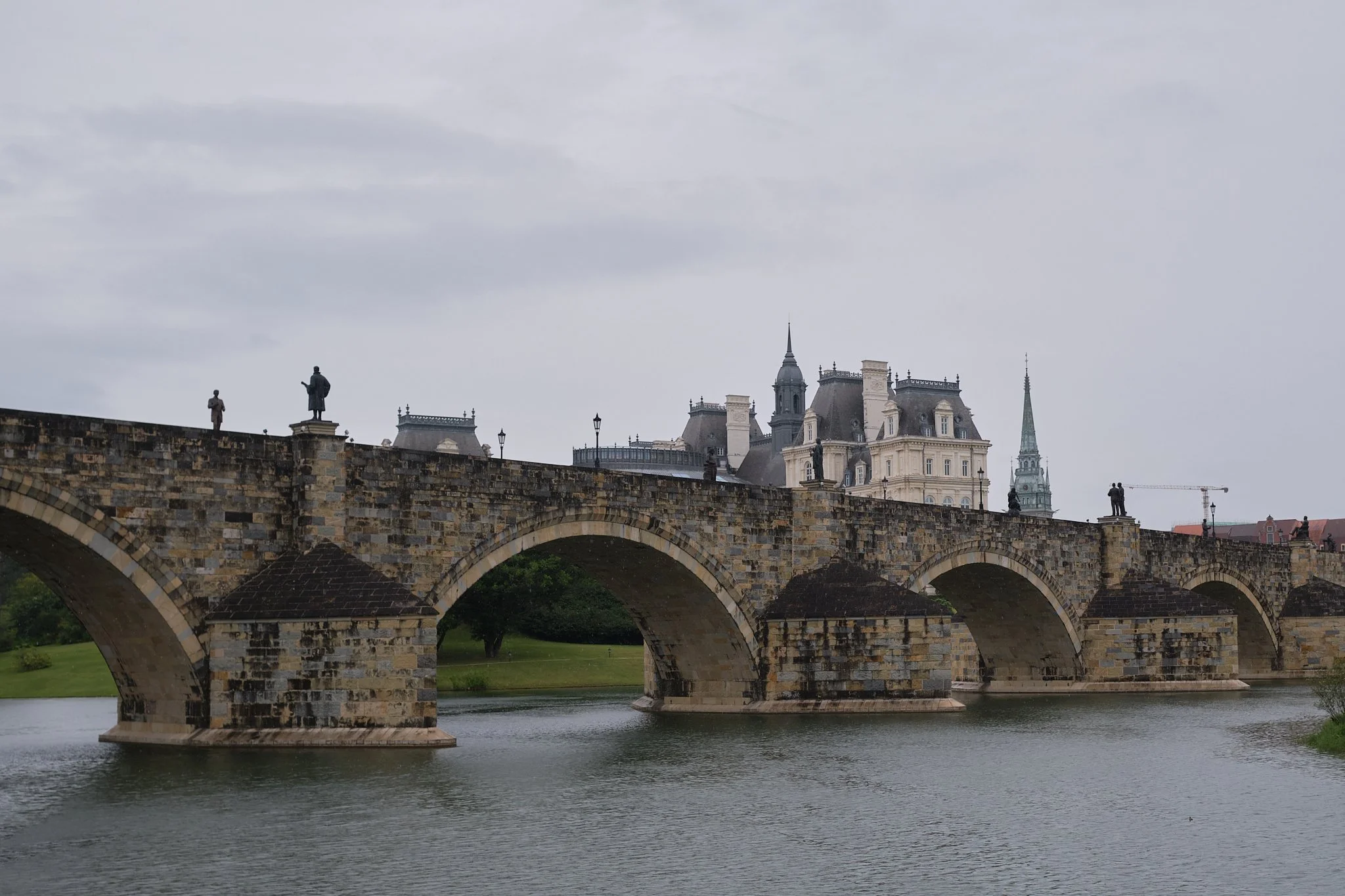
Our trip began with a stop at Songshan Lake, a peaceful stretch of greenery and water just outside Dongguan. It’s a favorite spot for weekend strolls, cycling, or simply escaping the industrial pace of the region. The lake is calm, lined with pathways, and dotted with bridges and trees — a breath of fresh air before heading into a bustling megacity.
Back in the car, our driver shared something deeply personal and telling about this part of China: his worry that the Cantonese (Yue) language is slowly fading.
“Kids don’t learn Cantonese in school anymore,” he told us.
“Mandarin is everywhere — on TV, in classrooms, even at home.”
Guangdong is home to hundreds of dialects — sometimes people from towns only a few kilometers apart sound completely different. For generations, Cantonese was the glue of this region, shaping identity, opera, humor, music, and food culture. But today, Mandarin dominates daily life, and younger speakers know less of the language their parents grew up with.
He also explained why so many overseas Chinese trace their roots back to Guangdong:
It was the first region opened to Western trade, especially Hong Kong and later Shenzhen.
For decades, it was one of the few places where people could leave China for work abroad.
As a result, huge communities in Southeast Asia, North America, and Europe still speak Cantonese.
It was a fascinating conversation — one that made the next two hours toward Guangzhou feel like a journey not just through geography, but into the cultural heart of southern China.
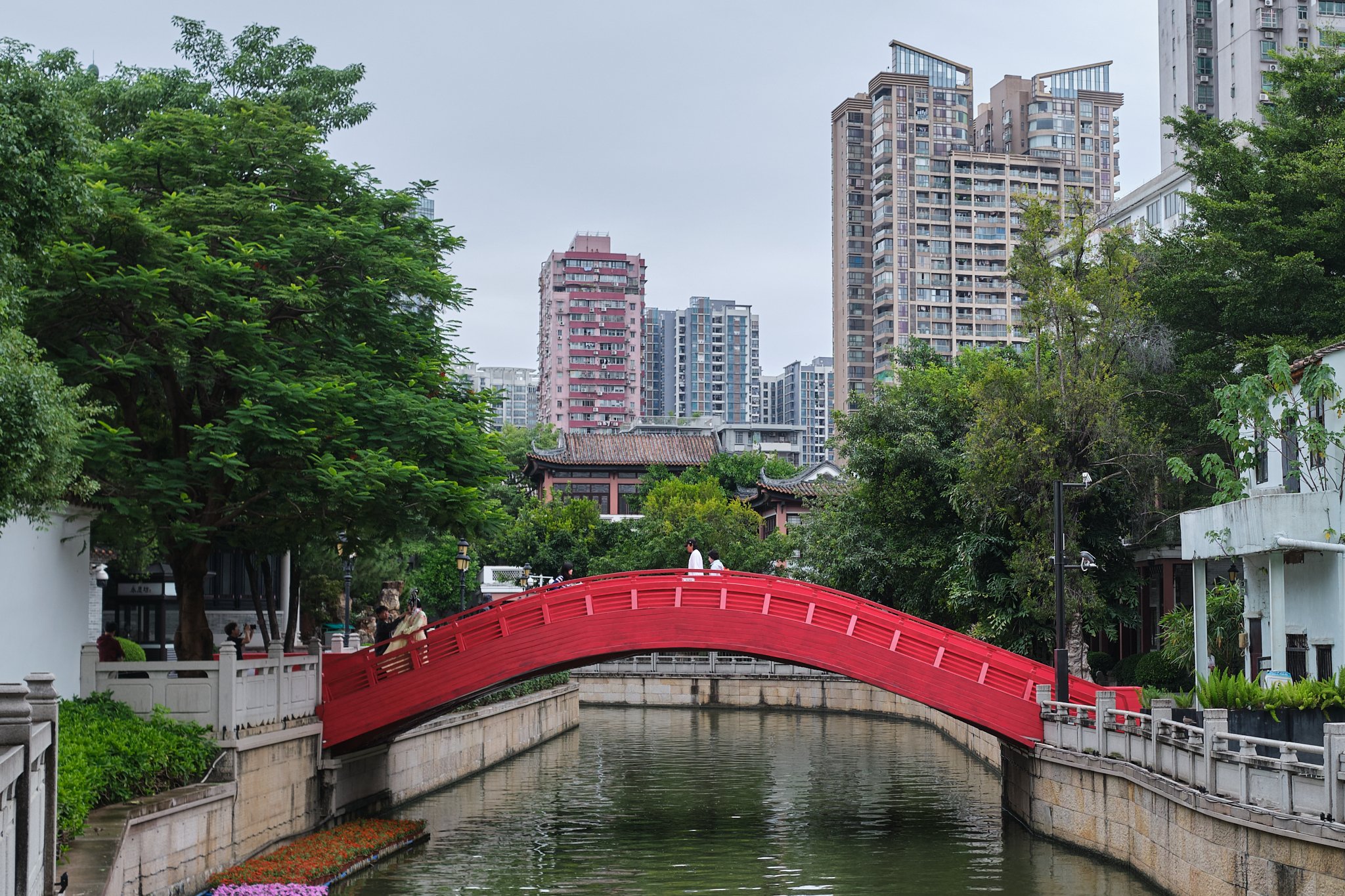
Yue Opera Museum – A Window Into Cantonese Performance Arts
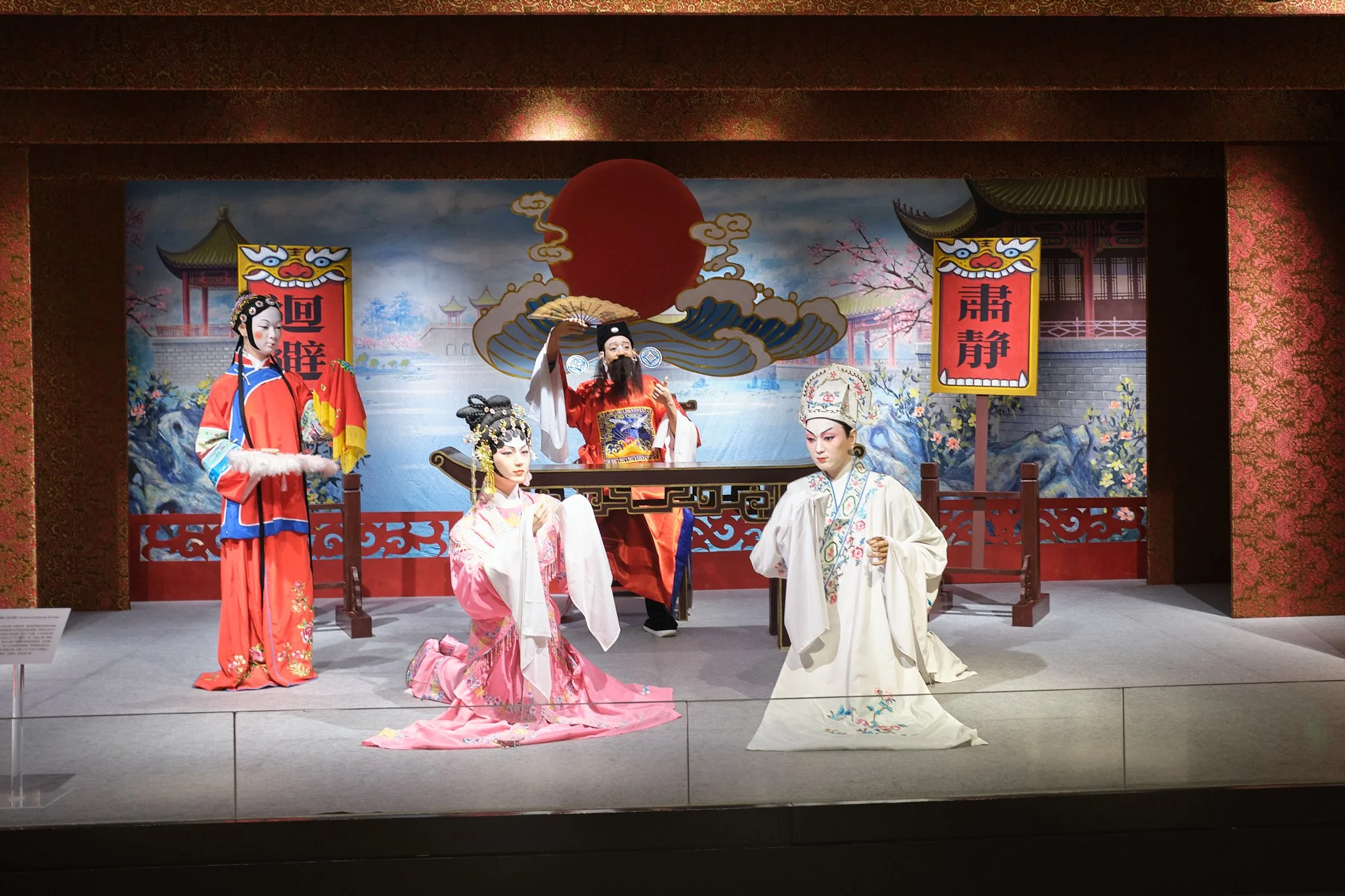
Our first cultural stop in Guangzhou was the Yue Opera Museum, a beautiful structure blending traditional Lingnan architecture with modern design. Inside, the exhibits revealed a world of rich artistry: embroidered costumes shimmering under glass, painted masks, and intricate headdresses crafted from silk, gold thread, and pearls. Yue Opera, distinct from Beijing Opera, is known for its softer melodies, emotional storytelling, and fluid, elegant choreography. Born in Guangdong, it has always been deeply tied to Cantonese culture.
Walking through the museum felt like stepping into the backstage world of a traditional performance. Videos played scenes of famous operas, the actors moving with such precision that even their smallest gestures carried meaning. It was a quiet but powerful introduction to Guangzhou’s artistic heart.
Just a few minutes on foot brought us to our next stop—a name recognized around the world.
Bruce Lee Museum
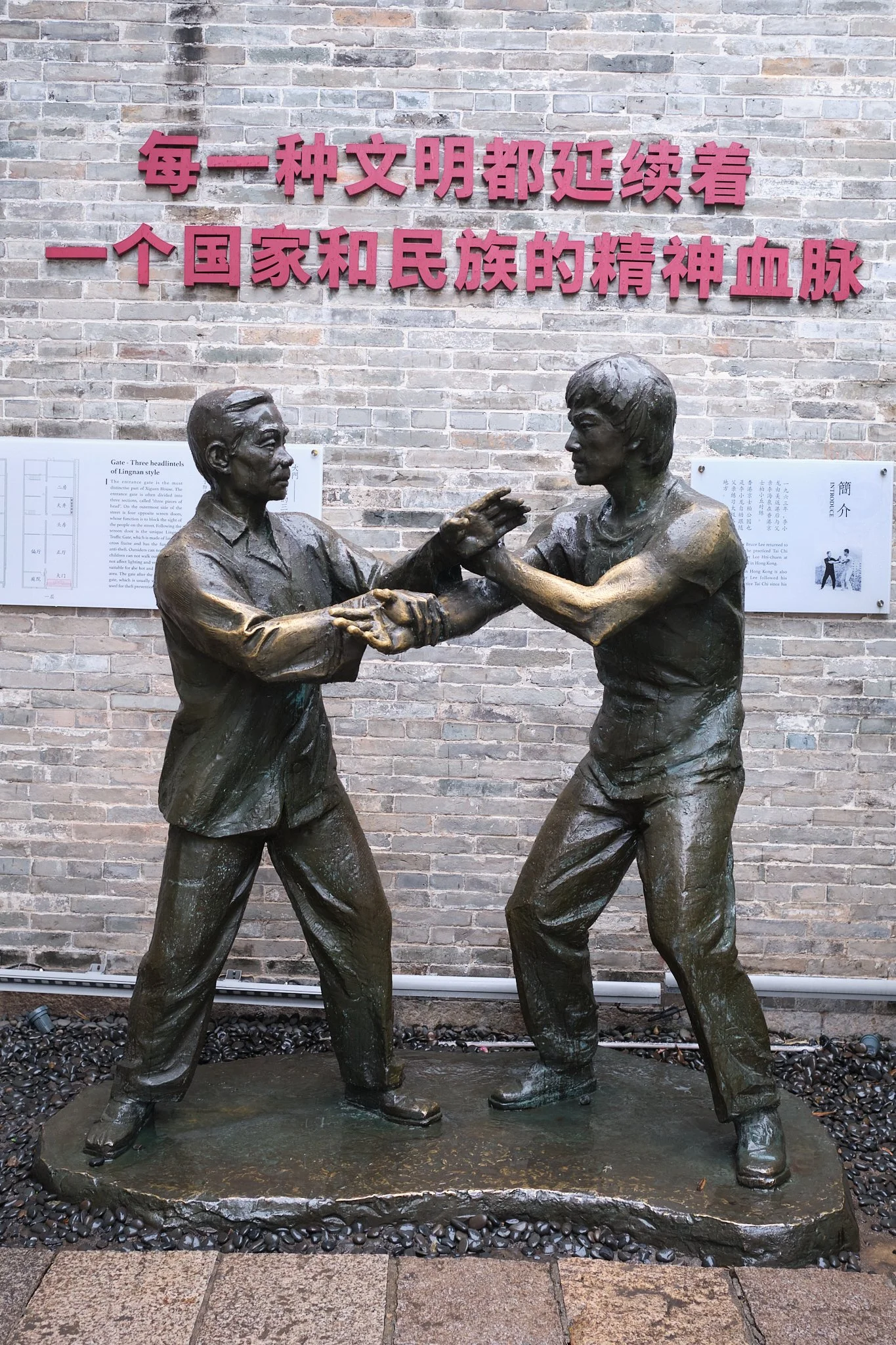
Although Bruce Lee is often associated with Hong Kong and California, his ancestral roots tie directly back to Guangdong. The Bruce Lee Museum, tucked into a modest building, celebrates both his martial arts legacy and his cultural impact. Posters from his films lined the walls, alongside stories of his childhood, family lineage, and the philosophies that shaped him.
The museum highlighted how Bruce Lee’s rise coincided with a period when Cantonese communities were spreading across the world. His success became not just personal but symbolic—an expression of Cantonese pride and global identity. Standing among the photos and memorabilia, I felt a sudden connection between the cultural stories our driver had shared and the global influence Cantonese migrants carried with them.
Chen Clan Ancestral Hall
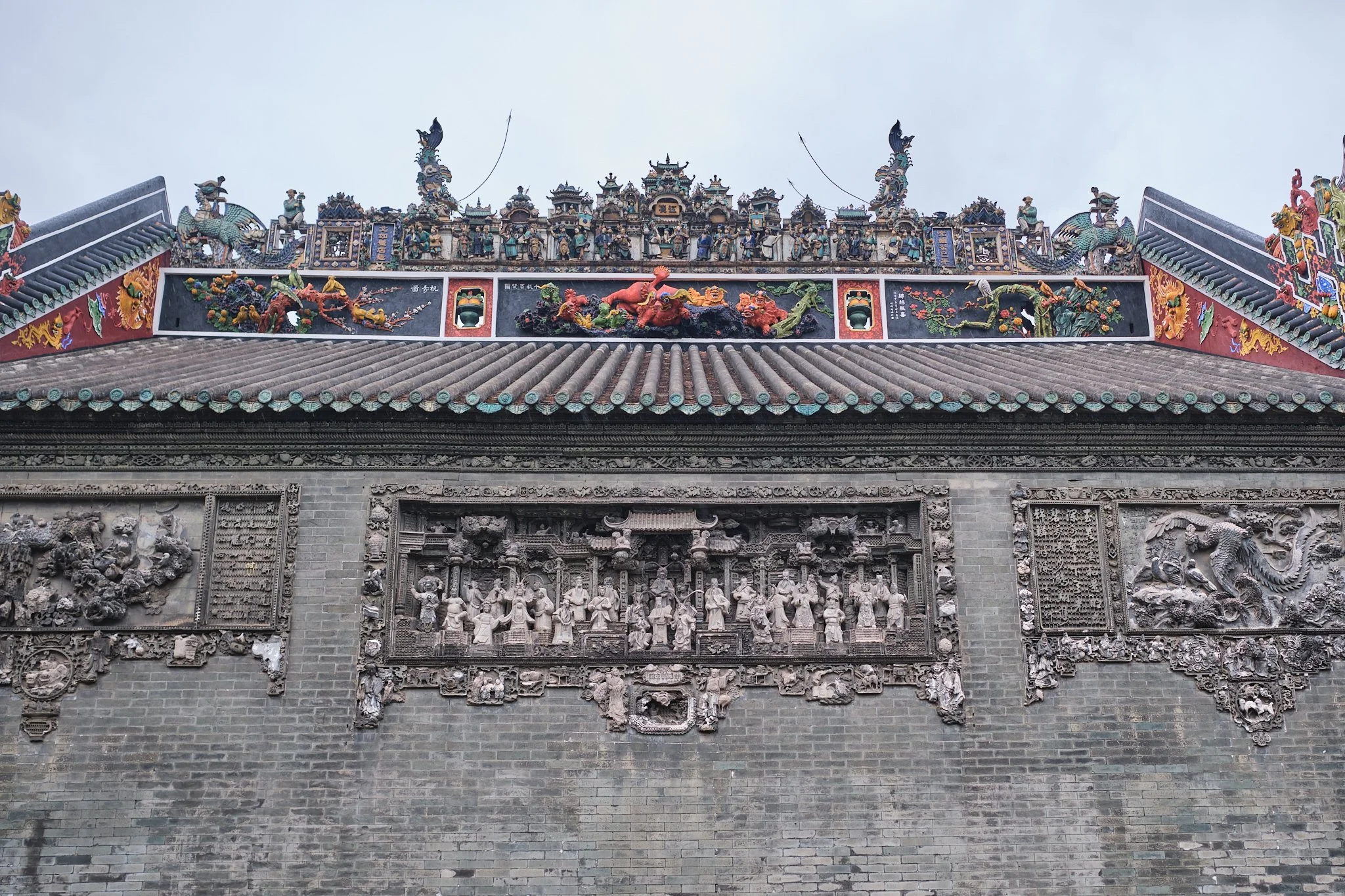
Next, we made our way to one of Guangzhou’s most breathtaking historical sites: the Chen Clan Ancestral Hall, a sprawling complex originally built in the late 1800s by the Chen family to house students preparing for the imperial examinations. The structure is a masterpiece of Lingnan architecture—sweeping roofs decorated with vibrant porcelain ridges, stone and wood carvings so detailed they feel alive, and courtyards that glow with diffused sunlight.
Every inch of the hall tells a story. Dragons twist across the roof tiles, figures from local folklore dance in carved panels, and the symmetry of the halls gives the entire place a sense of harmony.
Within the complex is the Folk Art Museum, showcasing Guangdong’s finest traditional craftsmanship. The province is famous for its wood carvings, mammoth ivory and bone engravings, porcelain, ceramics, and delicate needlework. Many of the pieces felt impossibly intricate, the kind of work you could stare at for minutes at a time and still discover something new.
This stop was easily one of the most captivating of the entire trip—a window into both artistry and history.
Guangdong Folk Art Museum
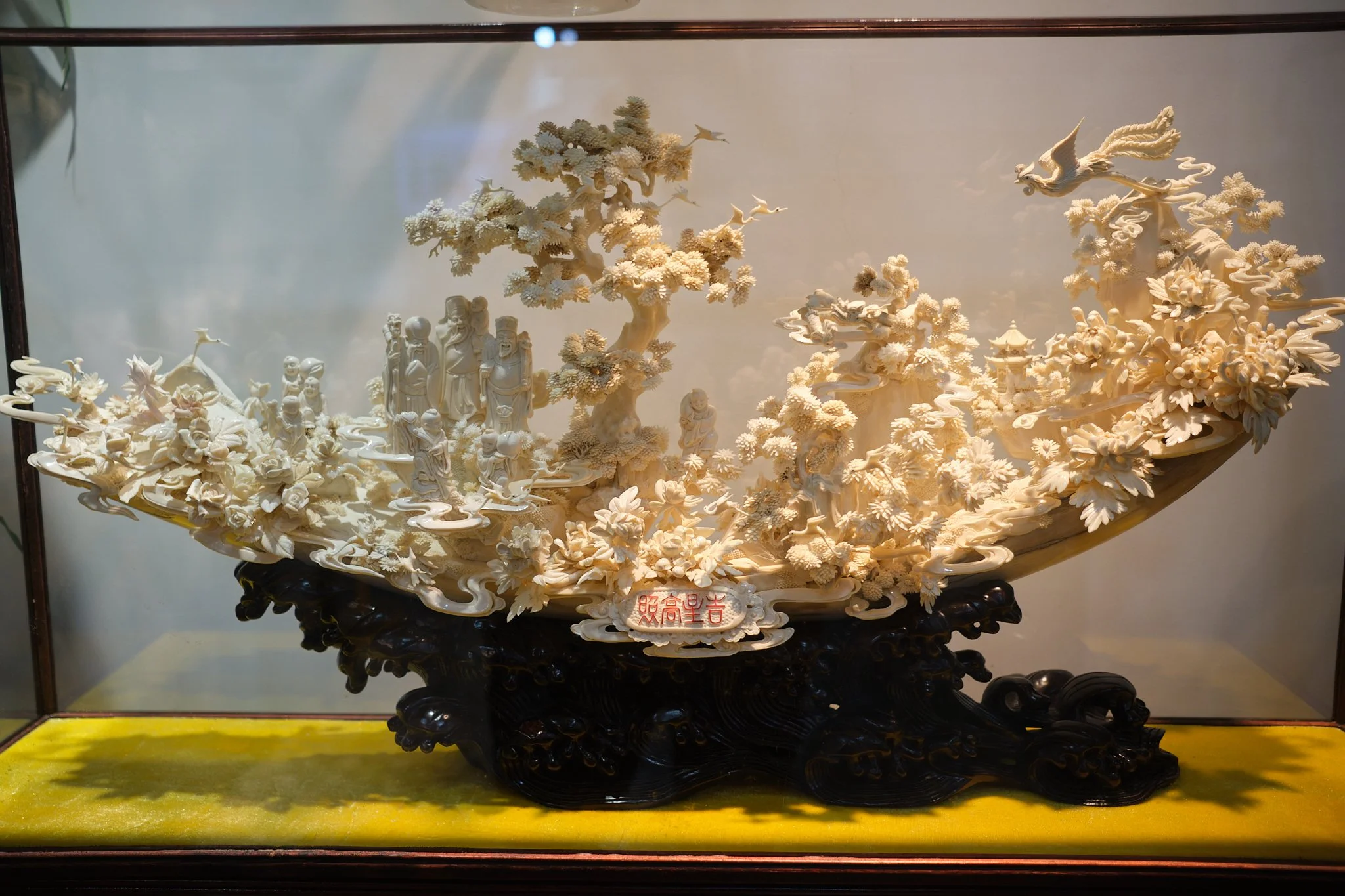
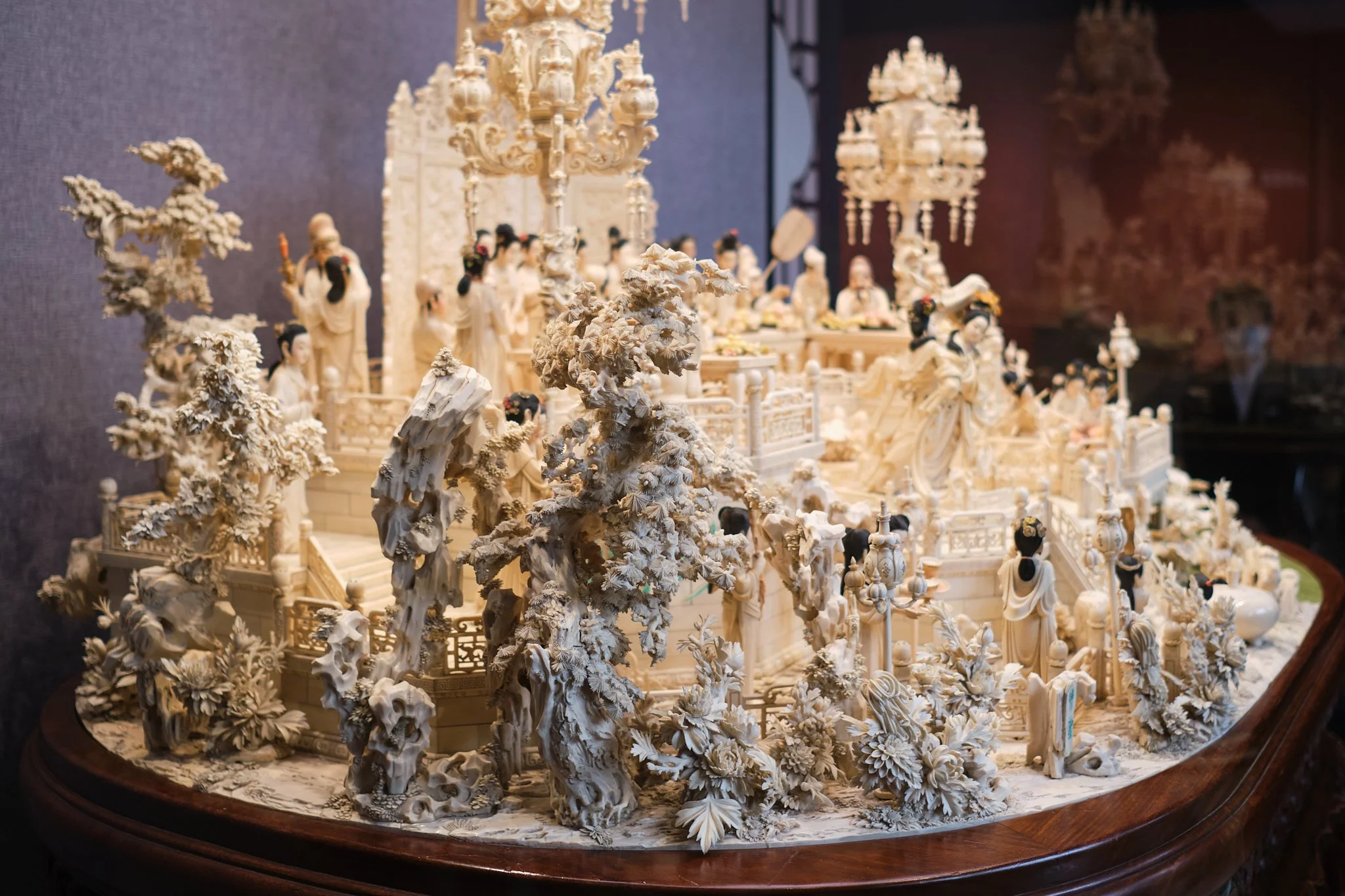
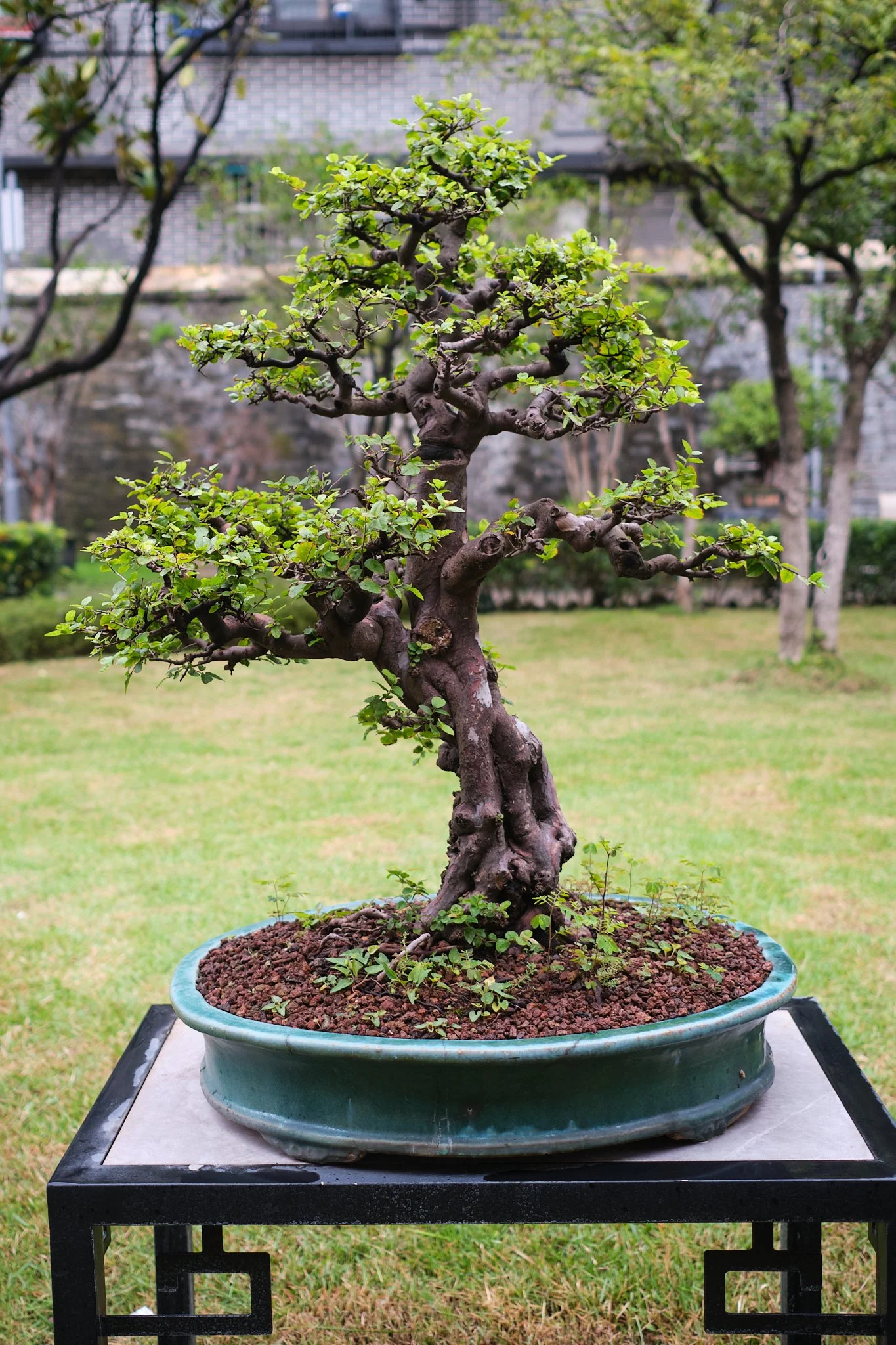
Within the complex is the Folk Art Museum, showcasing Guangdong’s finest traditional craftsmanship. The province is famous for its wood carvings, mammoth ivory and bone engravings, porcelain, ceramics, and delicate needlework. Many of the pieces felt impossibly intricate, the kind of work you could stare at for minutes at a time and still discover something new.
This stop was easily one of the most captivating of the entire trip—a window into both artistry and history.
Canton Tower
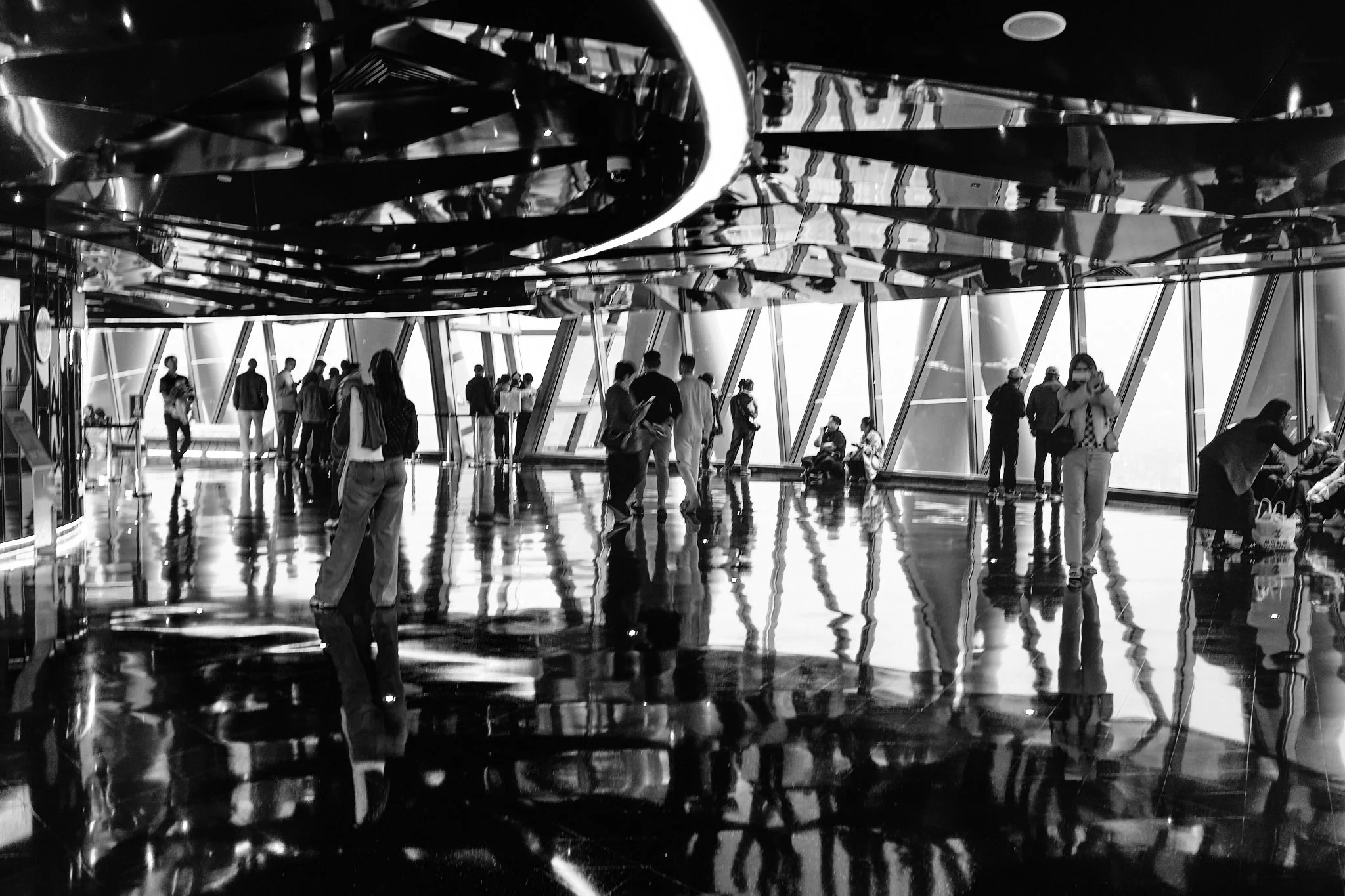
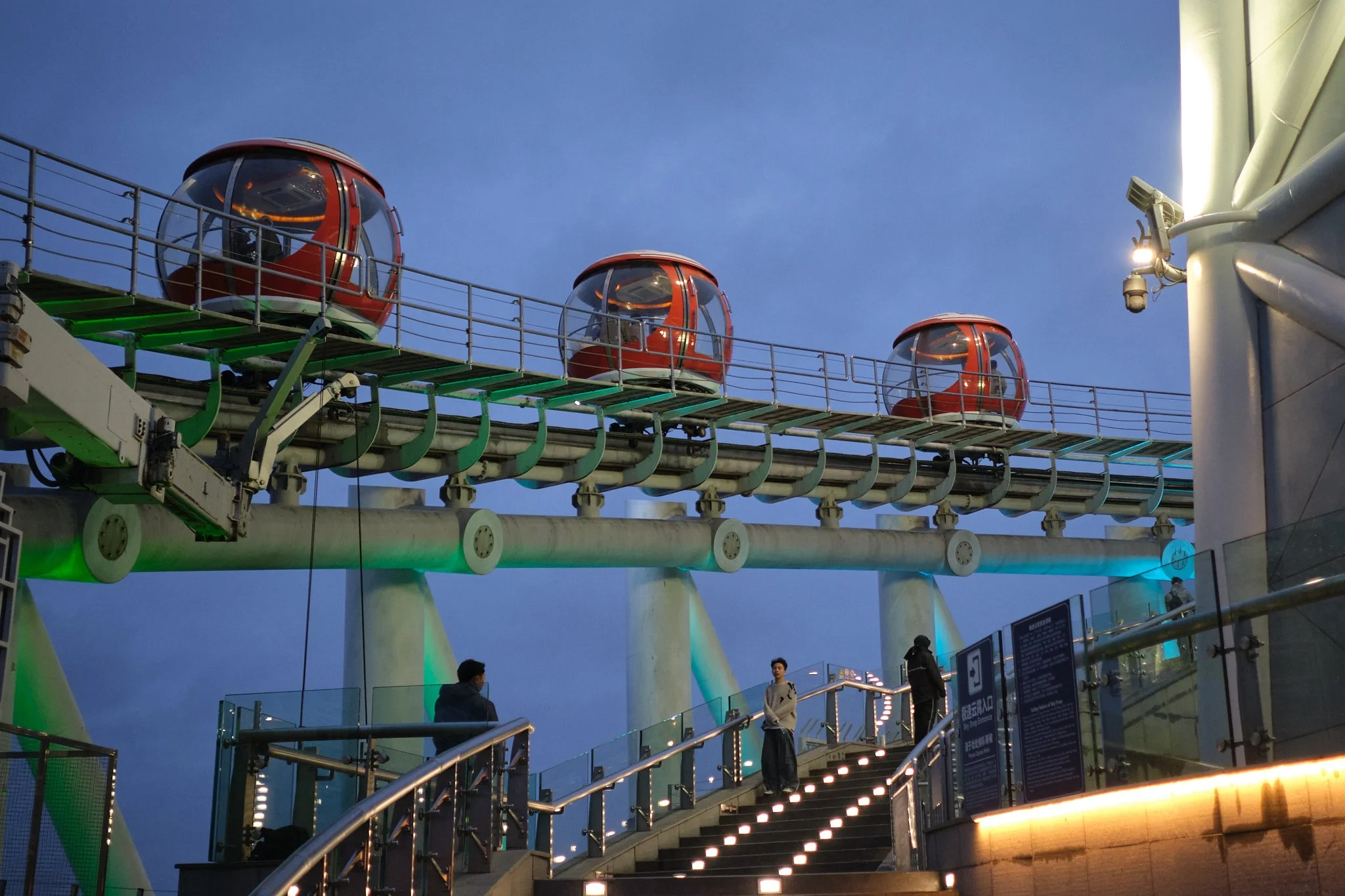
As daylight began to fade, we made our way to the iconic Canton Tower. The twisting steel structure rose above the skyline like a ribbon stretched into the sky. By the time we reached the viewing areas, the city lights were beginning to sparkle below—boats drifting along the Pearl River, skyscrapers glowing with neon edges, and the sky turning soft orange and purple.
Guangzhou at night feels electric, and Canton Tower captures that emotion perfectly.
Ibis Hotel in Zhujiang New Town
After a full day of exploring Guangzhou, we settled into the Ibis Hotel in Zhujiang New Town, a property that blends affordability with surprising comfort in one of the city’s most modern districts. The hotel sits in a neighborhood defined by wide boulevards, futuristic glass towers, manicured public plazas, and an energy that feels distinctly upscale.