Hong Kong
Three Days in Hong Kong
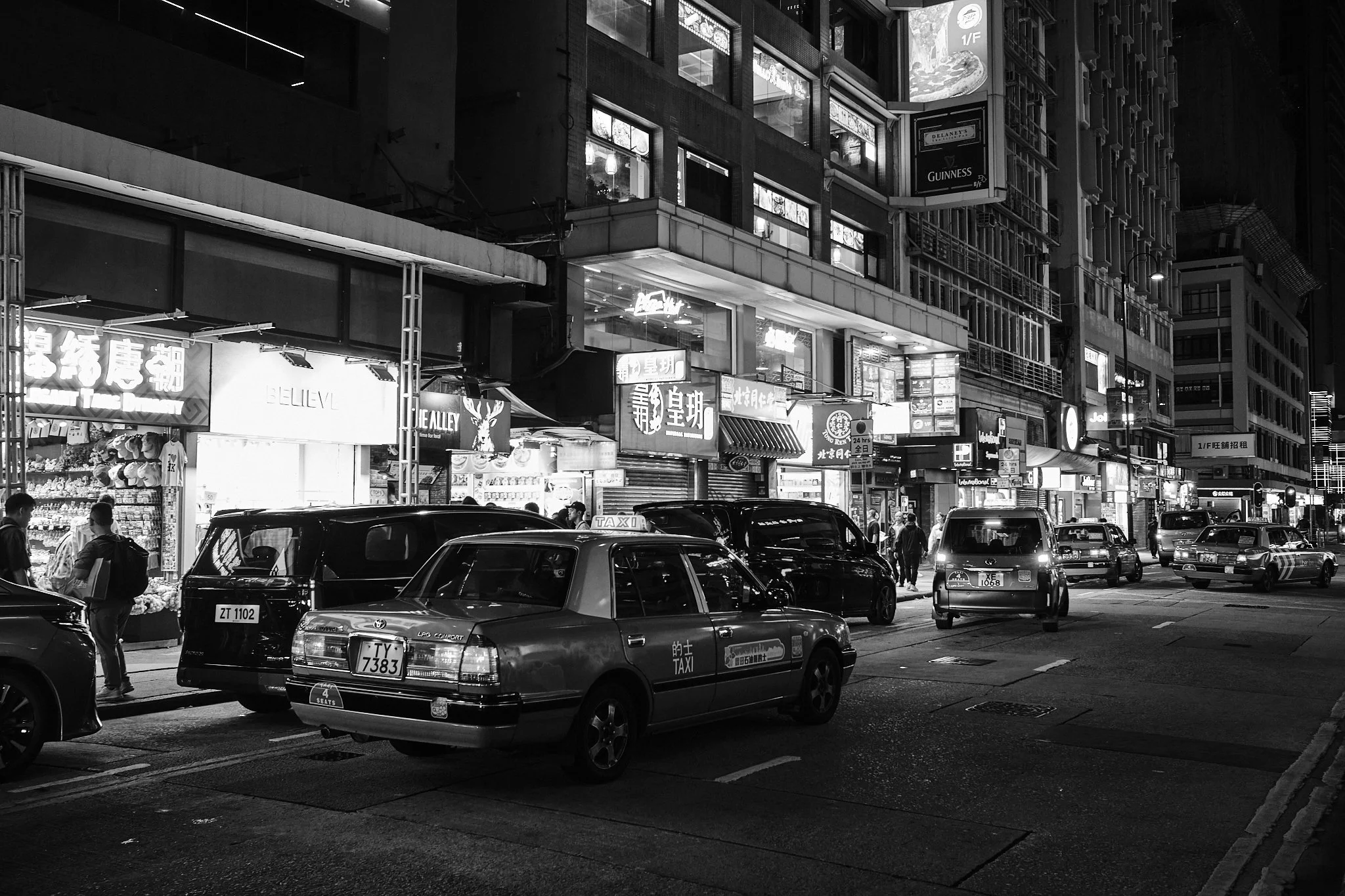
Hong Kong feels like a city built for movement—trains arriving every few minutes, spotless streets, and a skyline that seems to glow from every direction. It was immediately clear how easy it would be to get around. The subway stations were clean enough to eat off of, every exit was labeled with nearby landmarks, and no trip across the city ever took more than 30 minutes. We stayed in Tsim Sha Tsui (TST) at the Oasis Avenue Hotel, a convenient base surrounded by cafés, shops, and the harbor. To travel around, we used the Octopus Card, Hong Kong’s all-purpose transit card—just note that you can only reload it with cash.
Hong Kong’s identity is rooted in its geography—a natural deep-water harbor along one of the world’s most important trade routes. For centuries, the region was home to fishing villages, pearl divers, farmers, and clans who lived across what is now Kowloon, Hong Kong Island, and the New Territories. Its transformation began in the 19th century when Britain seized Hong Kong Island during the Opium Wars. The British later expanded control to Kowloon and eventually the New Territories, shaping Hong Kong into a major global port.
Under British rule, Hong Kong grew rapidly. Refugees, traders, and entrepreneurs from mainland China and beyond poured in, building a city defined by its East-meets-West character. Skyscrapers replaced villages, factories turned the region into an economic powerhouse, and by the late 20th century, Hong Kong was one of the world’s busiest financial hubs. In 1997, Britain returned Hong Kong to China under the “One Country, Two Systems” framework, allowing it to retain its own legal and economic structures. Today, Hong Kong remains a place where modernity, colonial heritage, Cantonese culture, and international influence blend in ways you won’t find anywhere else.
Where We Stayed — Tsim Sha Tsui (TST)
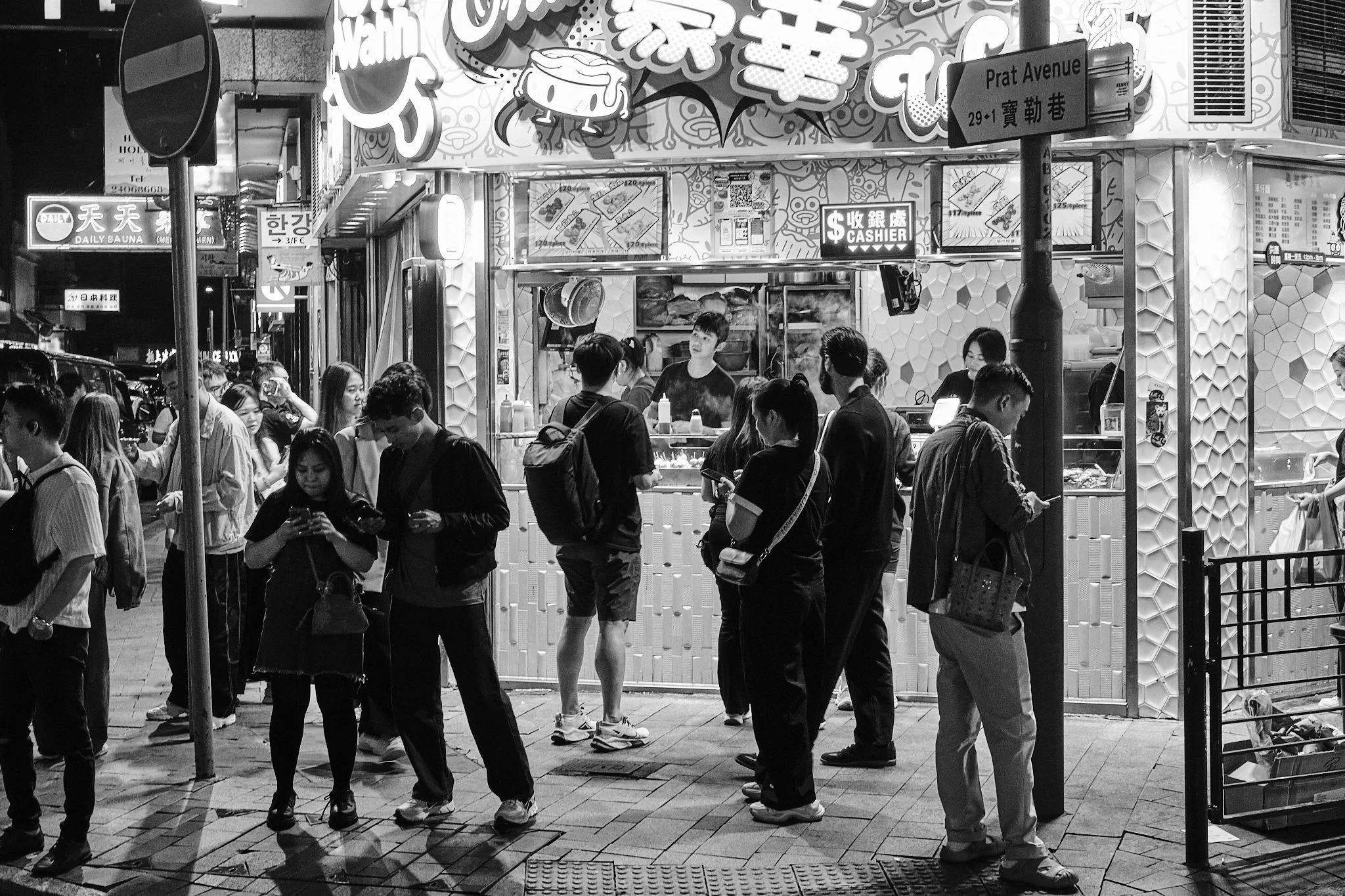
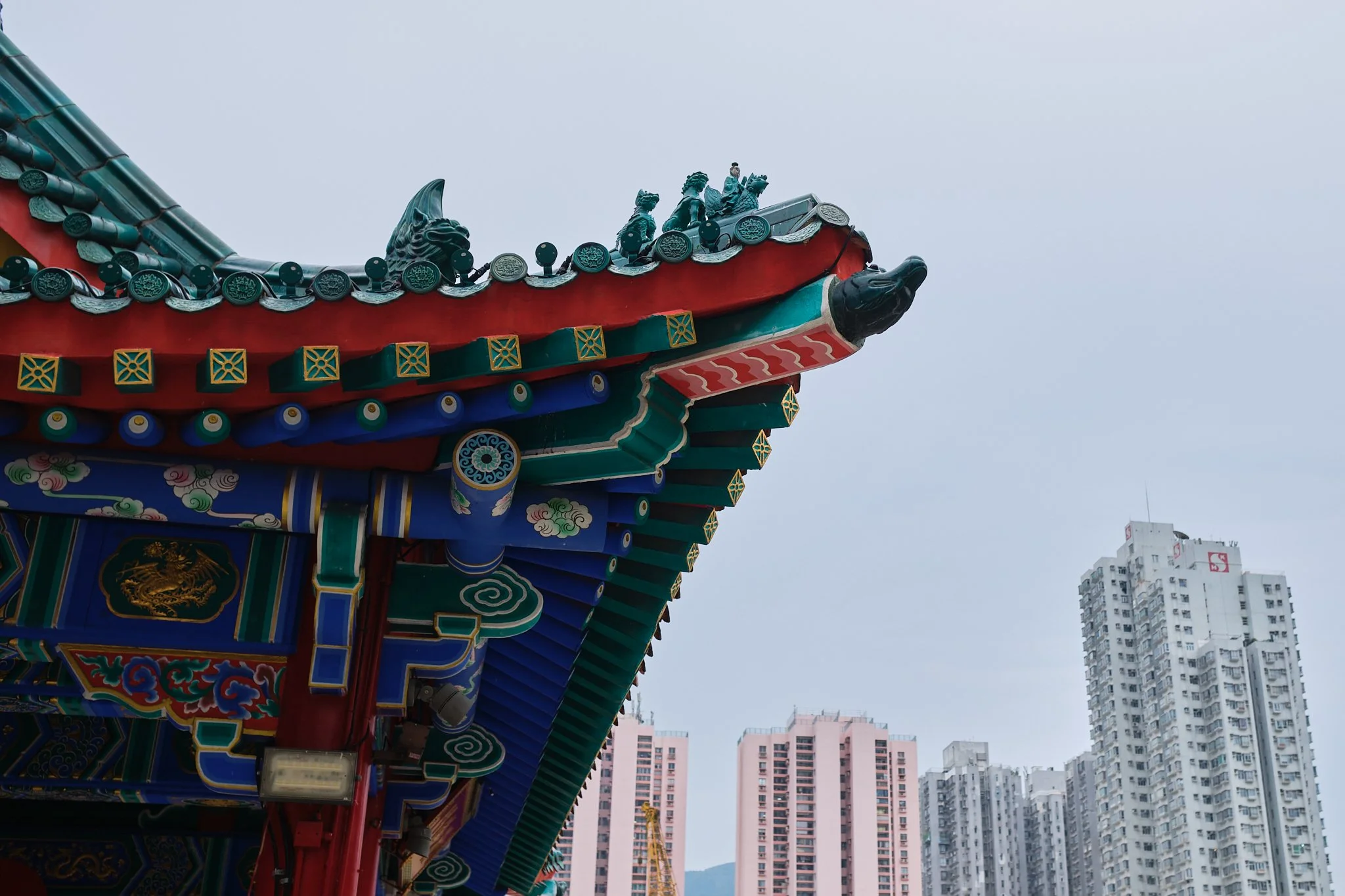
TST sits on the Kowloon side of Hong Kong and is one of the most energetic neighborhoods in the city. Streets are lively from morning to night with bakeries, steaming noodle shops, jewelry stores, and malls all packed into a compact grid. From our hotel, we could walk to the harbor in minutes, passing by neon signs, night markets, and the busy Nathan Road corridor. It’s one of the best areas for food and for easy access to the trains.
Day 1
Avenue of Stars
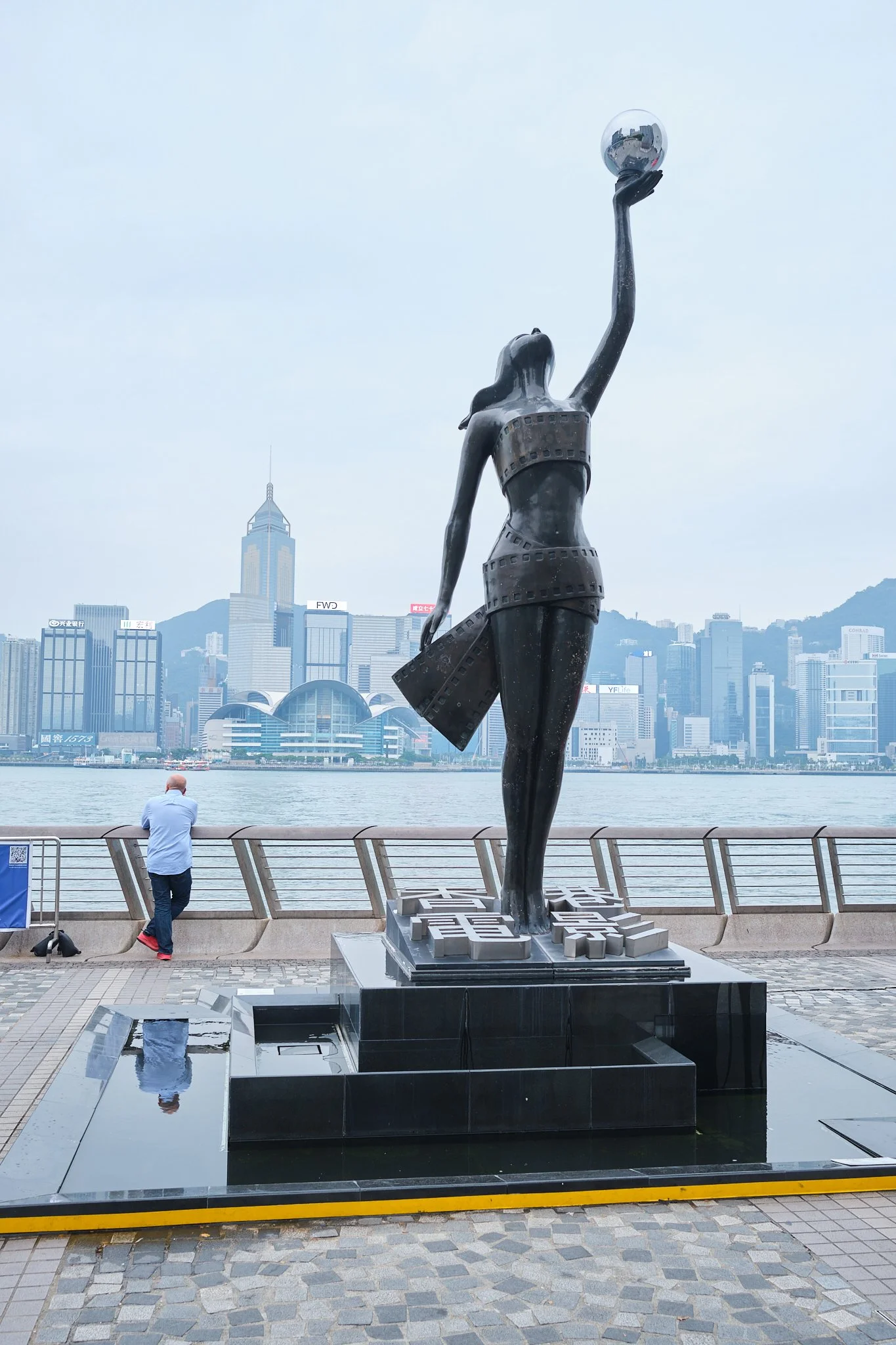
Our first stop in Hong Kong was the Avenue of Stars, a waterfront promenade celebrating the legends of Hong Kong cinema. Lining the path are statues, plaques, and celebrity handprints, but the real draw is the panoramic view of the Hong Kong Island skyline. Even with the afternoon haze, the towers shimmered across Victoria Harbour. It was the perfect introduction to the city.
Sik Sik Yuen Wong Tai Sin Temple
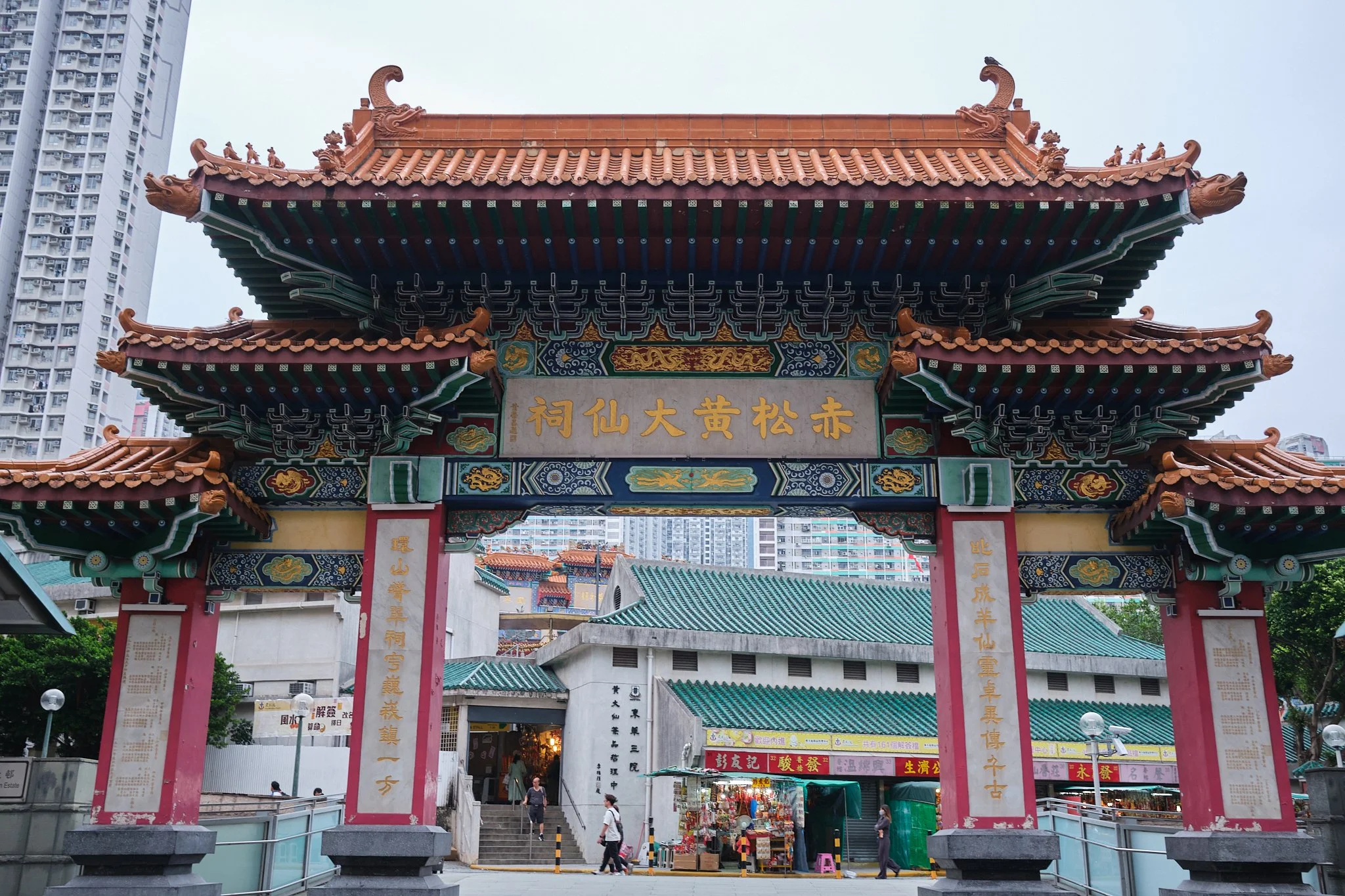
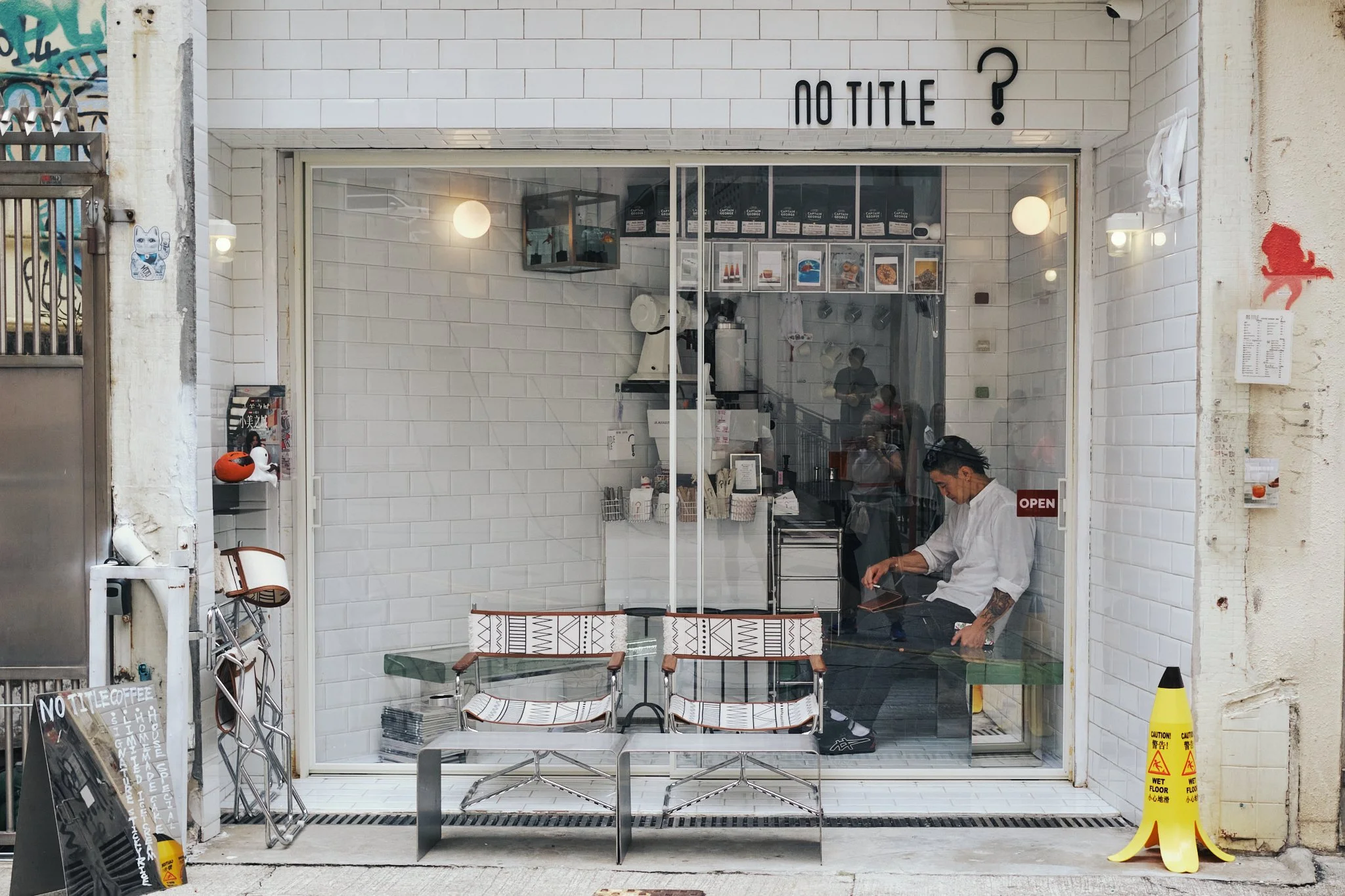
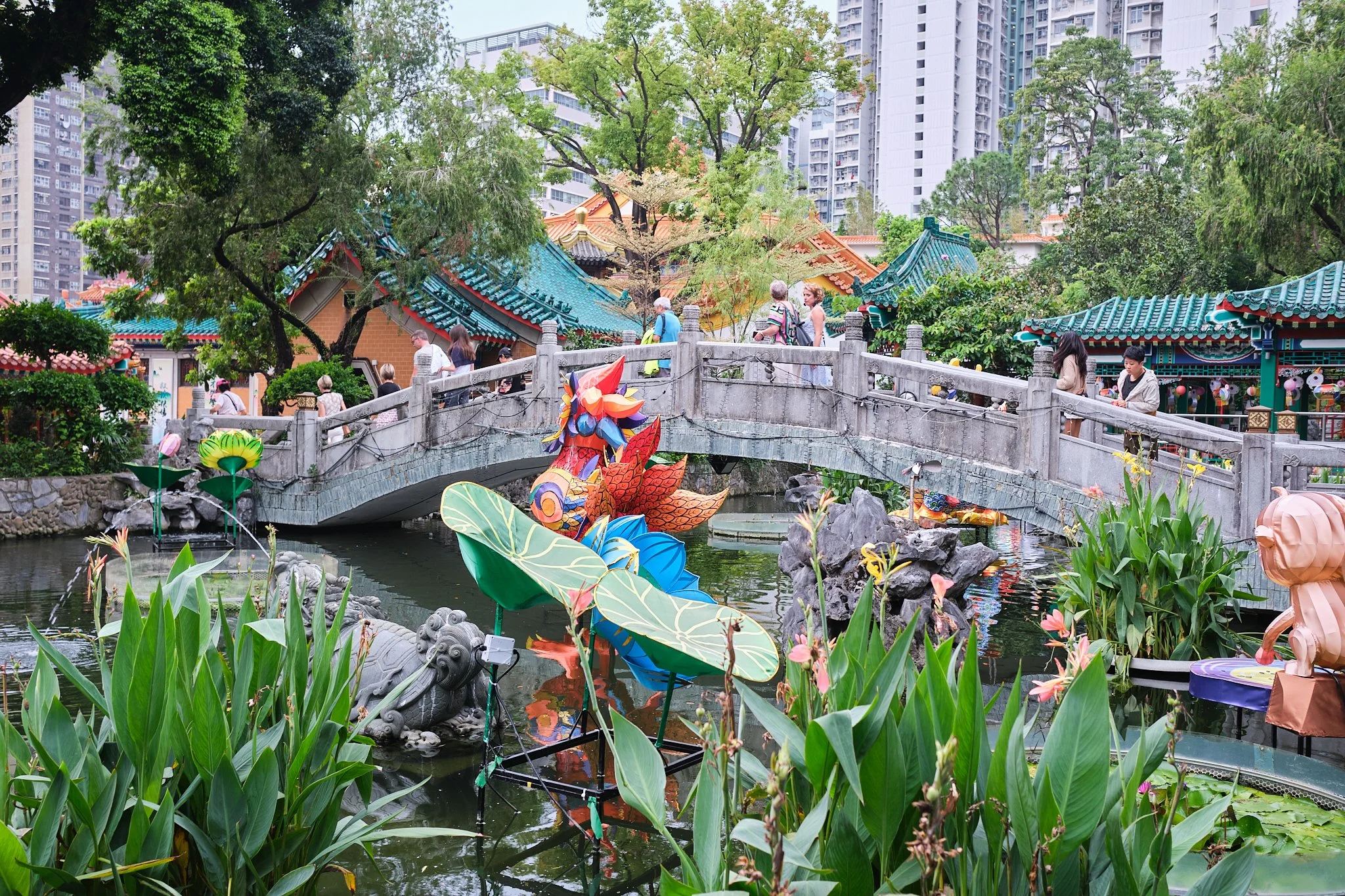
This temple is one of Hong Kong’s most famous religious sites and is dedicated to Wong Tai Sin, a deity believed to grant wishes. The site blends Taoist, Buddhist, and Confucian elements. As soon as we entered, the smell of incense drifted across the brightly painted pavilions. The temple sits right in the middle of modern apartment blocks, making the contrast even more striking.
Choi Hung Basketball Court
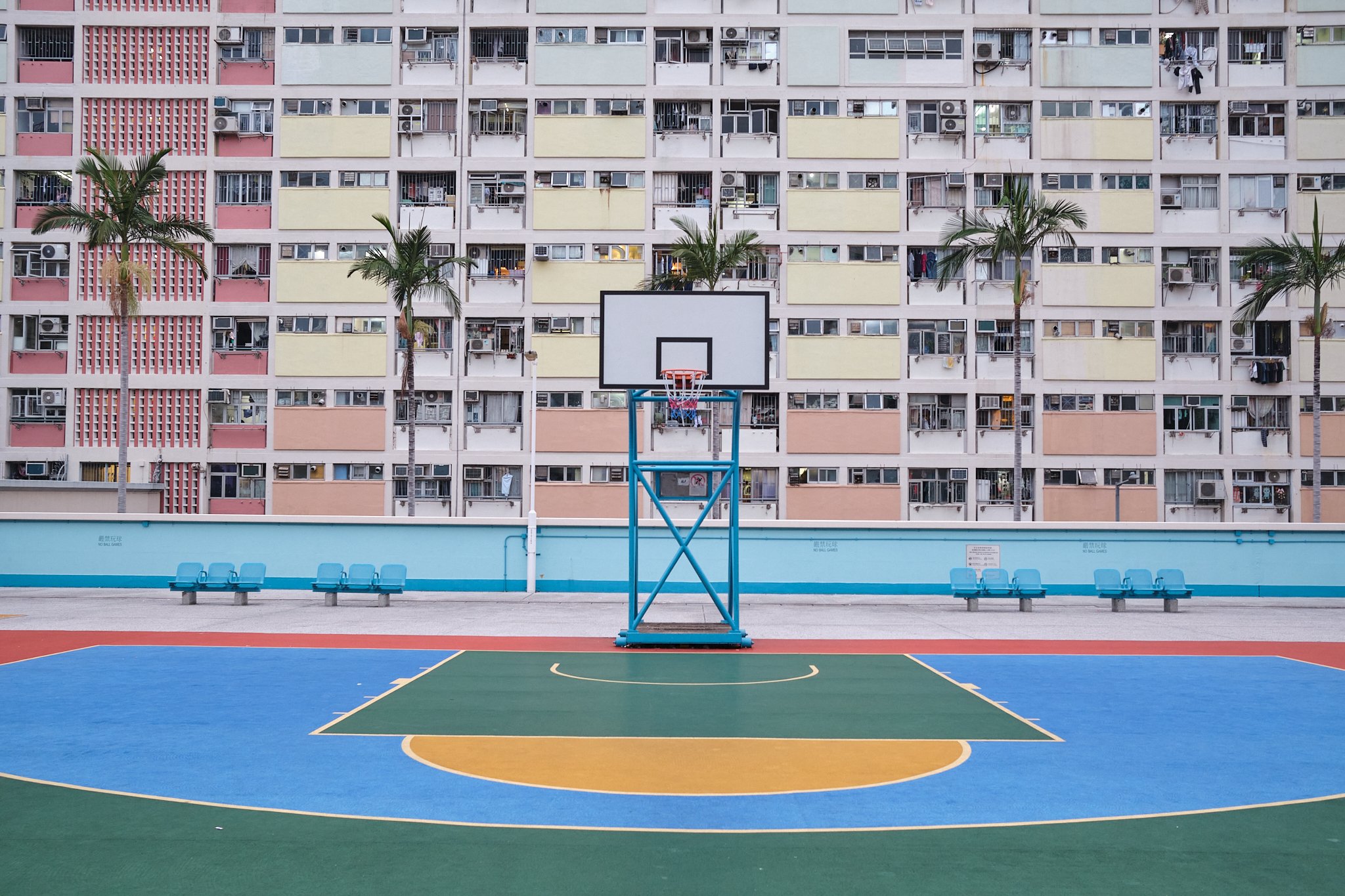
Known worldwide for its pastel-painted apartment blocks, Choi Hung (which literally means “Rainbow”) is one of Hong Kong’s oldest public housing estates. The basketball court on the rooftop parking deck has become a photography landmark thanks to its colorful backdrop. When we arrived, kids were shooting hoops while tourists lined up for photos—an everyday Hong Kong scene wrapped in vibrant color.
Day 2
Meanwhile Coffee Café
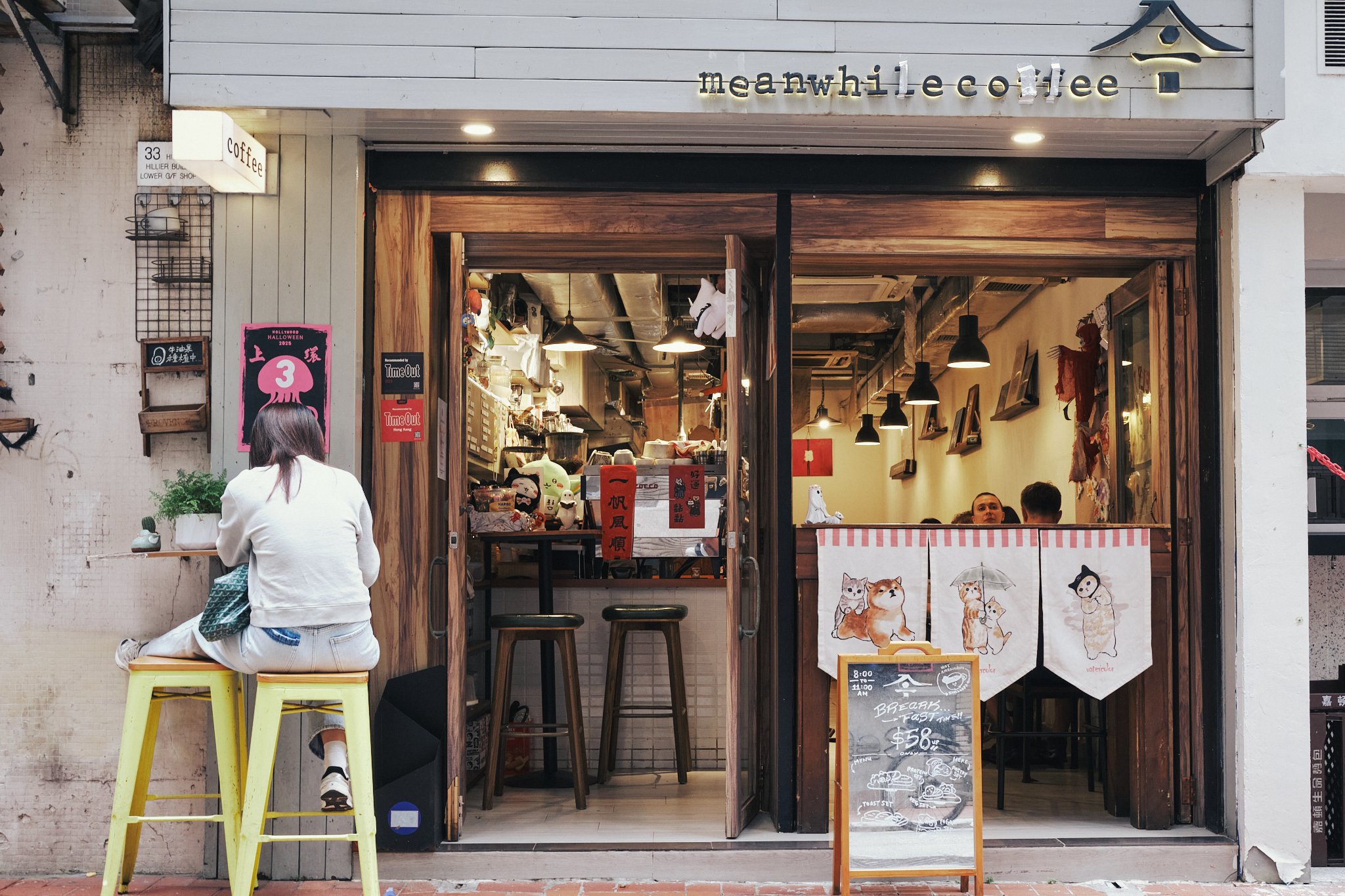
We began Day 2 with a stop at Meanwhile Coffee, where we tried roasted matcha for the first time. The matcha is lightly toasted before being whisked, giving it a rich, smoky depth you don’t get with traditional matcha. It was unique and surprisingly good—a fun discovery that set the tone for the day.
Man Mo Temple
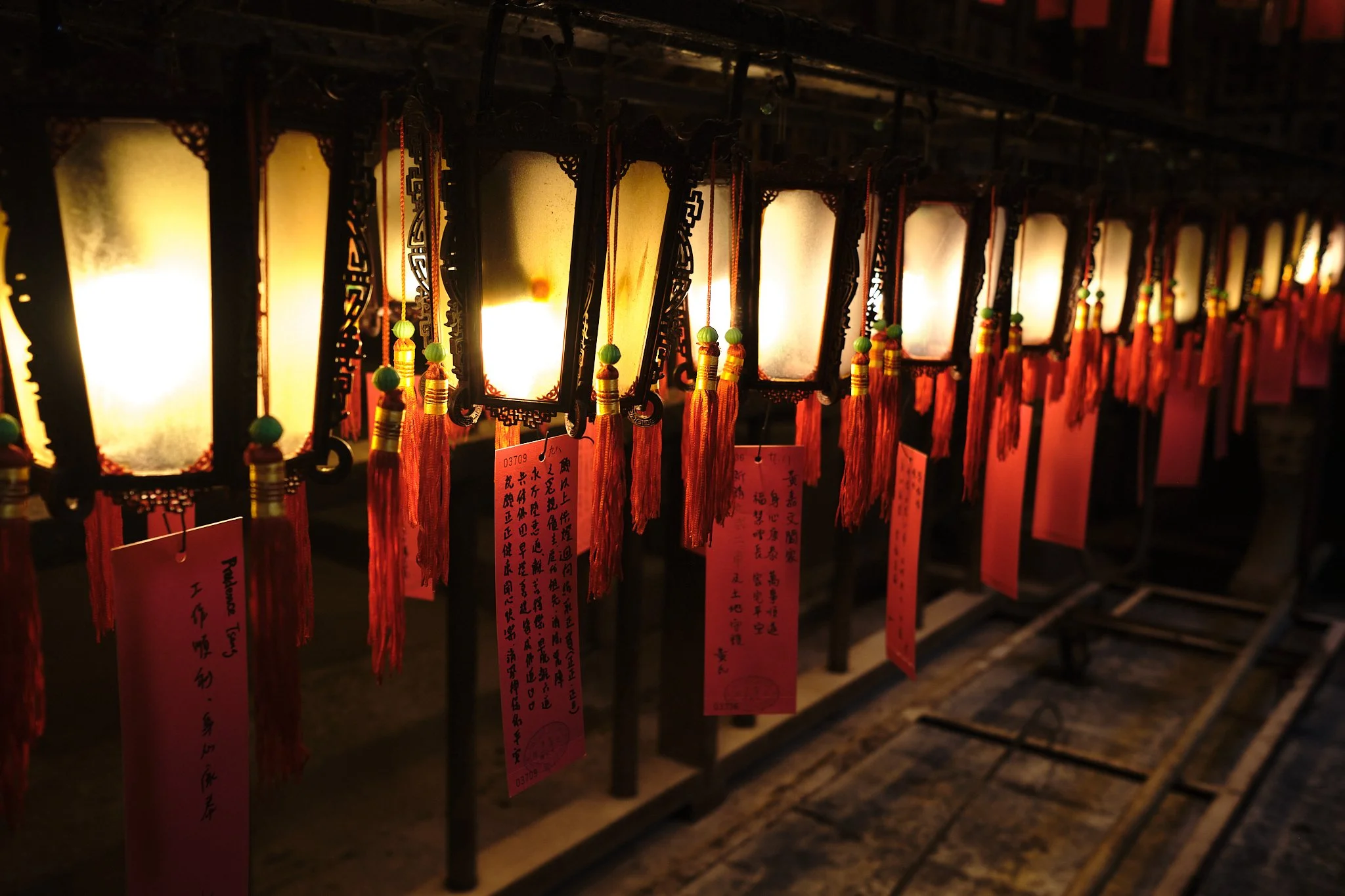
Located in the heart of Sheung Wan, Man Mo Temple dates back to the mid-1800s and is dedicated to the gods of literature (Man) and war (Mo). Inside, thick coils of incense hang from the ceiling, slowly burning and filling the hall with a mystical haze. The red pillars, golden altars, and antique details make it feel like a preserved pocket of old Hong Kong.
Kwang Fook Street
A short walk away is Kwang Fook Street, an area known for antique shops, stalls packed with trinkets, and tight alleyways that feel like walking through the city’s past. It’s quieter than the surrounding districts and offers a glimpse into old trading life in Hong Kong.
Cable Car to the Big Buddha
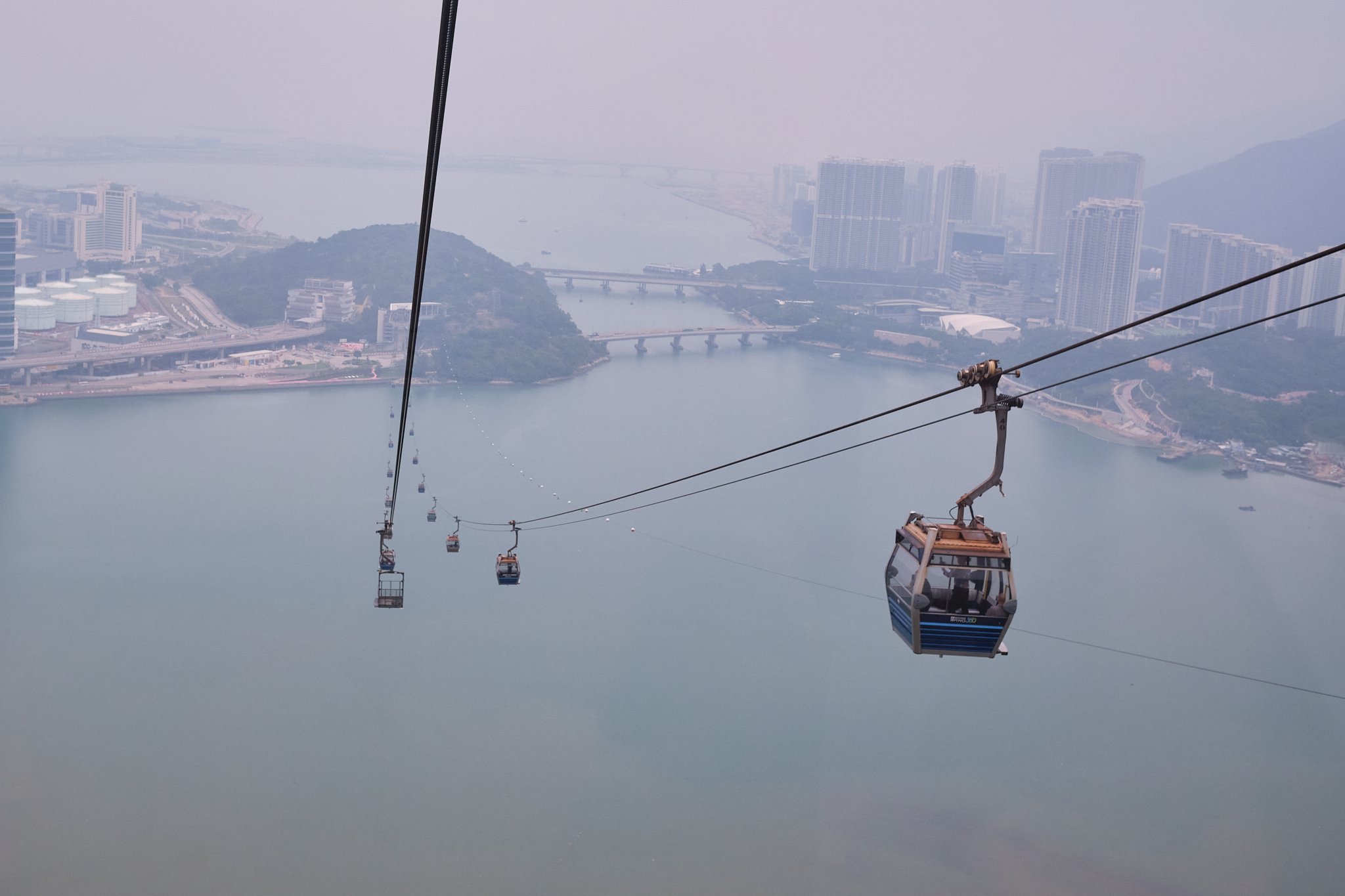
To reach Lantau Island’s main attractions, we took the Ngong Ping cable car, which gives dramatic views of mountains, water, and trails. The 25-minute ride felt like an attraction in itself. At the top sits the Tian Tan Buddha, better known as the Big Buddha—one of the world’s largest seated outdoor bronze Buddhas. Surrounded by misty hills, it feels serene and monumental at the same time.
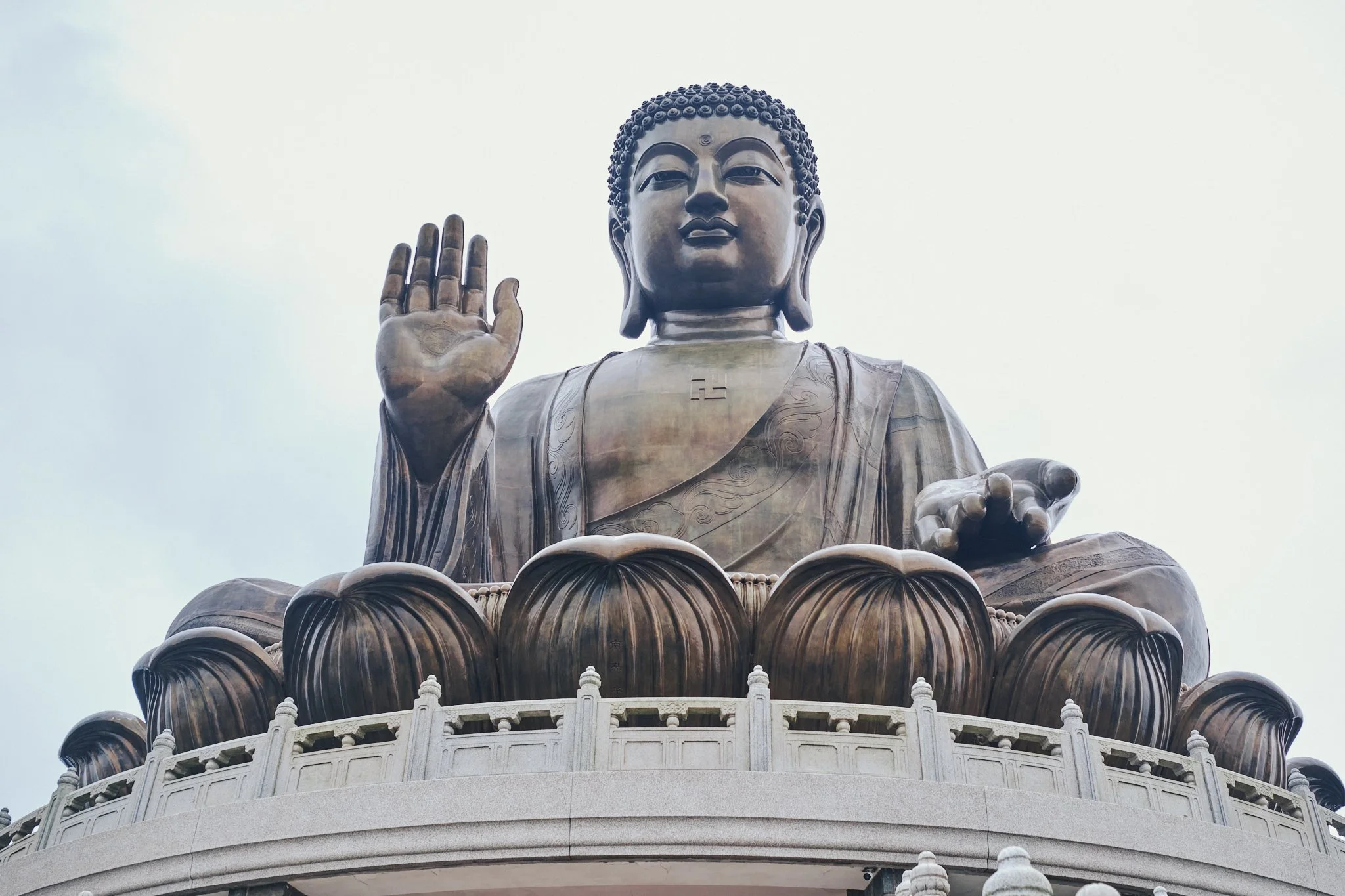
Grand Hall of Ten Thousand Buddhas
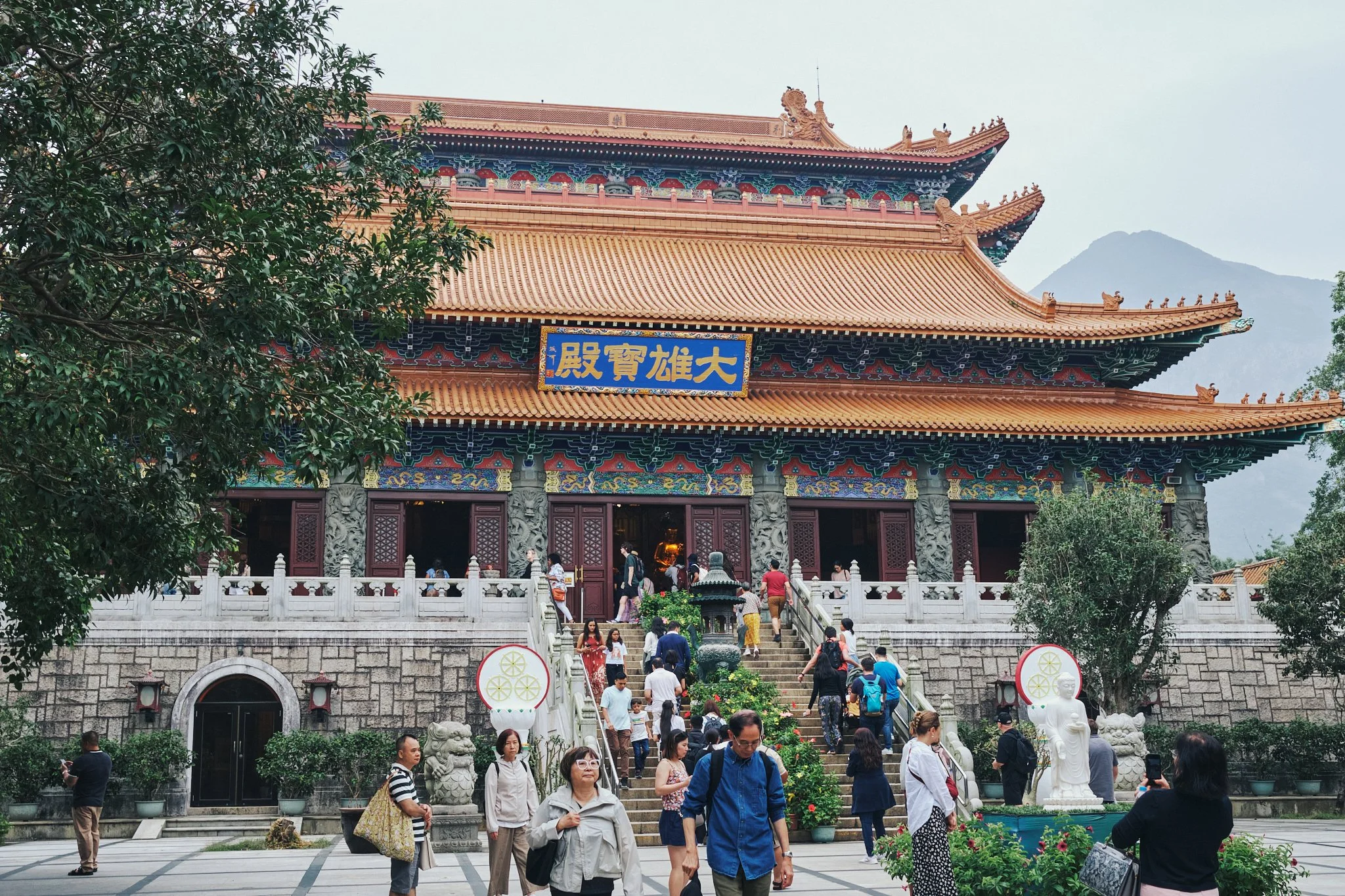
Next door to the Buddha is the Po Lin Monastery, home to the Grand Hall of Ten Thousand Buddhas. Inside, thousands of golden Buddha statues line the walls in perfectly arranged grids. The hall is peaceful yet visually overwhelming in the best way.
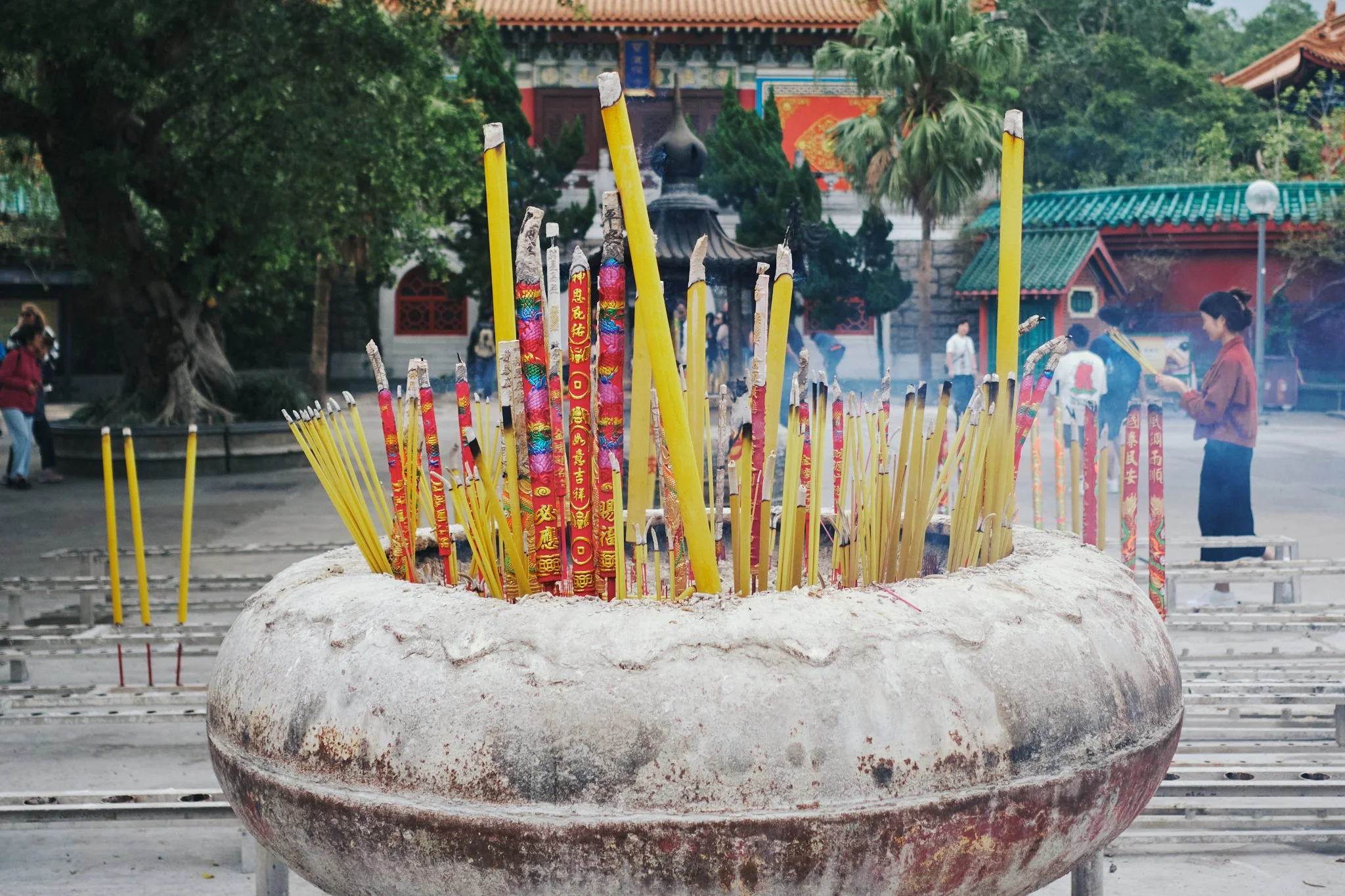
Hike Up Lantau Peak
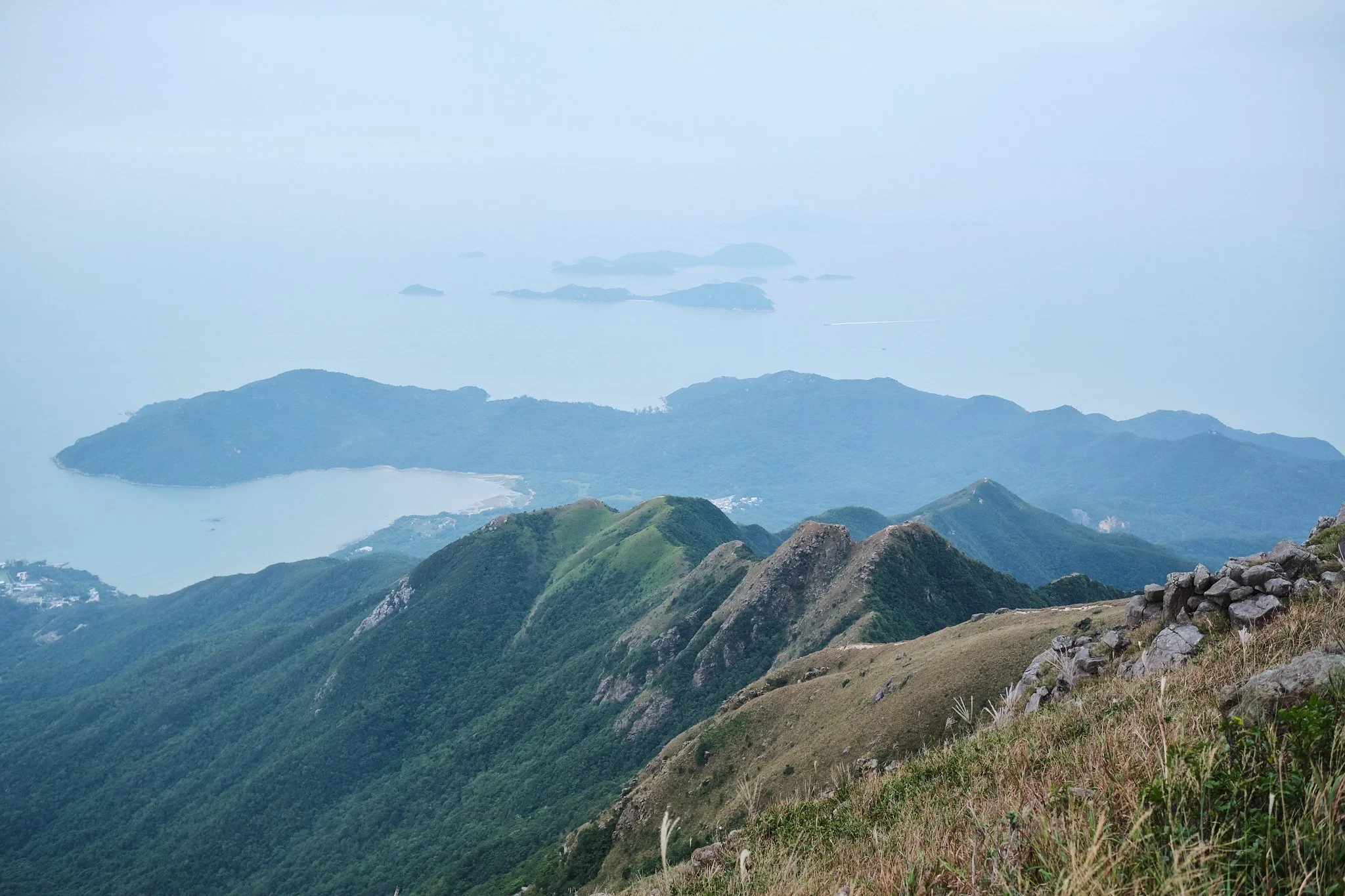
The climb up Lantau Peak (Fung Wong Shan), the second-highest peak in Hong Kong, was one of the most memorable parts of our trip. Rising to 934 meters, it’s a challenging trail known for its sweeping views over the South China Sea, rolling green ridgelines, and the villages scattered across Lantau Island. We started the hike from Ngong Ping, right after visiting the Big Buddha and Po Lin Monastery. The trail starts off deceptively gentle, winding through forested sections before the real climb begins.
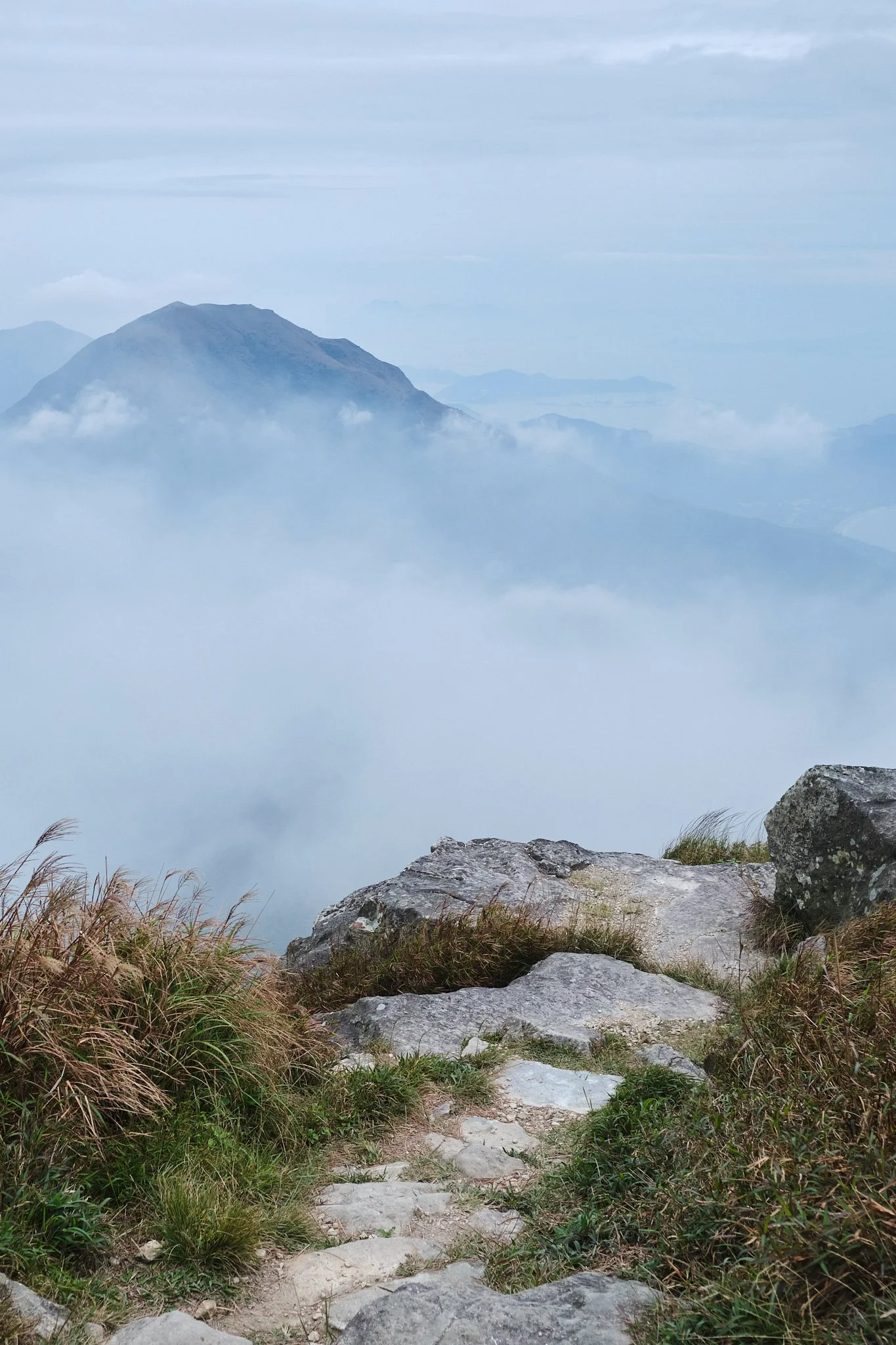
Soon, the steps become steep—long stretches of stone stairs that seem to rise straight into the sky. The hike is relentless but rewarding. As we ascended, the crowds from Ngong Ping disappeared, replaced by the sound of wind moving through the grass. The higher we climbed, the more the landscape opened up. Below us stretched the peaks and valleys of Lantau Island; in the distance, we could spot Hong Kong’s airport, cable car lines cutting across the hills, and the shimmering coastline.
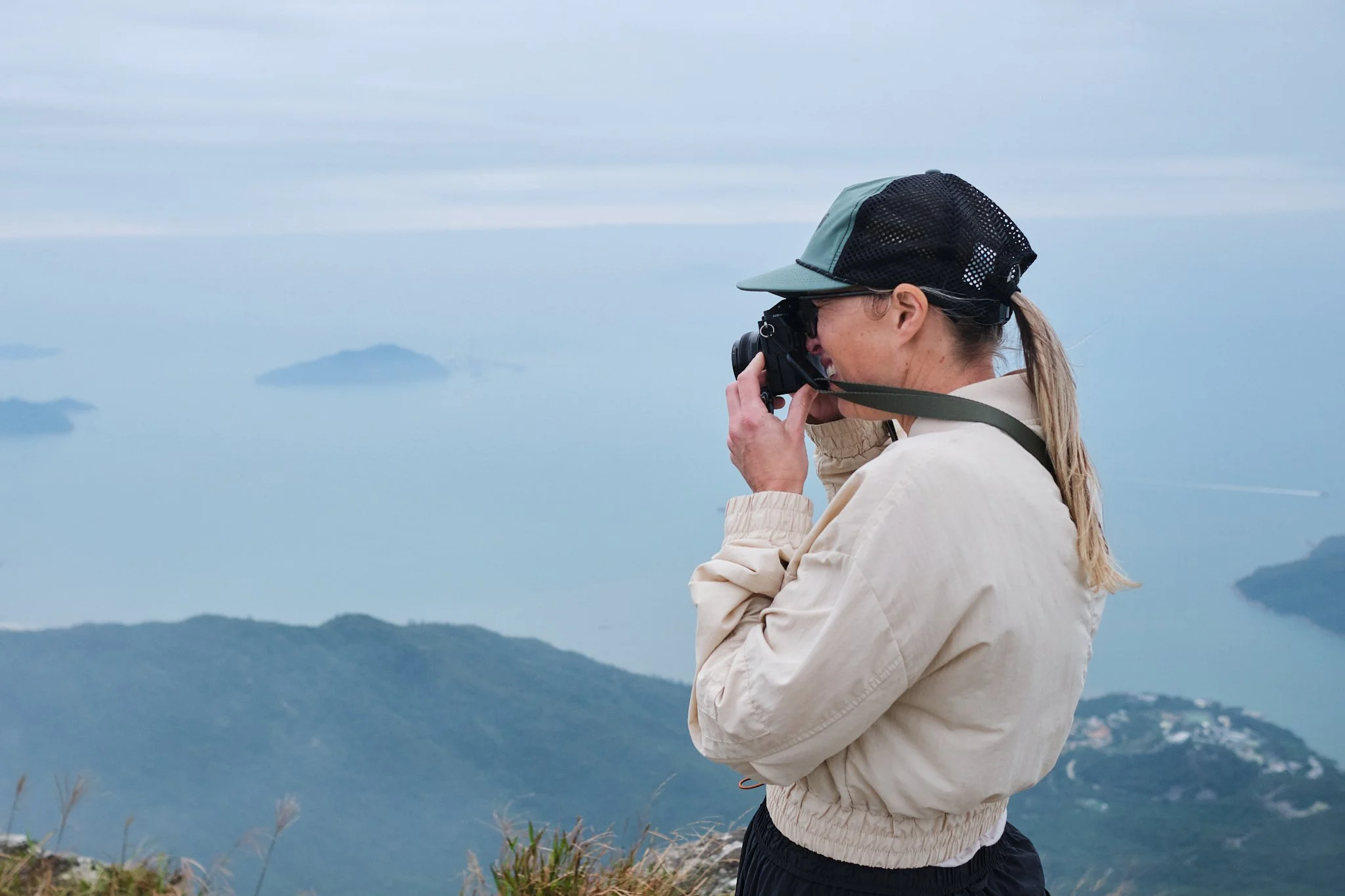
Near the summit, the trail narrows and the wind picks up, giving the final push an almost spiritual feeling—perfectly fitting for a mountain so close to one of Asia’s most famous monasteries. Reaching the top felt like entering a different world. The air was cooler, the horizon endless, and from every direction the view was stunning. Even on a hazy day, the peaks layered into one another like ink-wash paintings. For anyone visiting Hong Kong and wanting nature, Lantau Peak is absolutely worth the effort.
Dinner at Lady 13 Kitchen
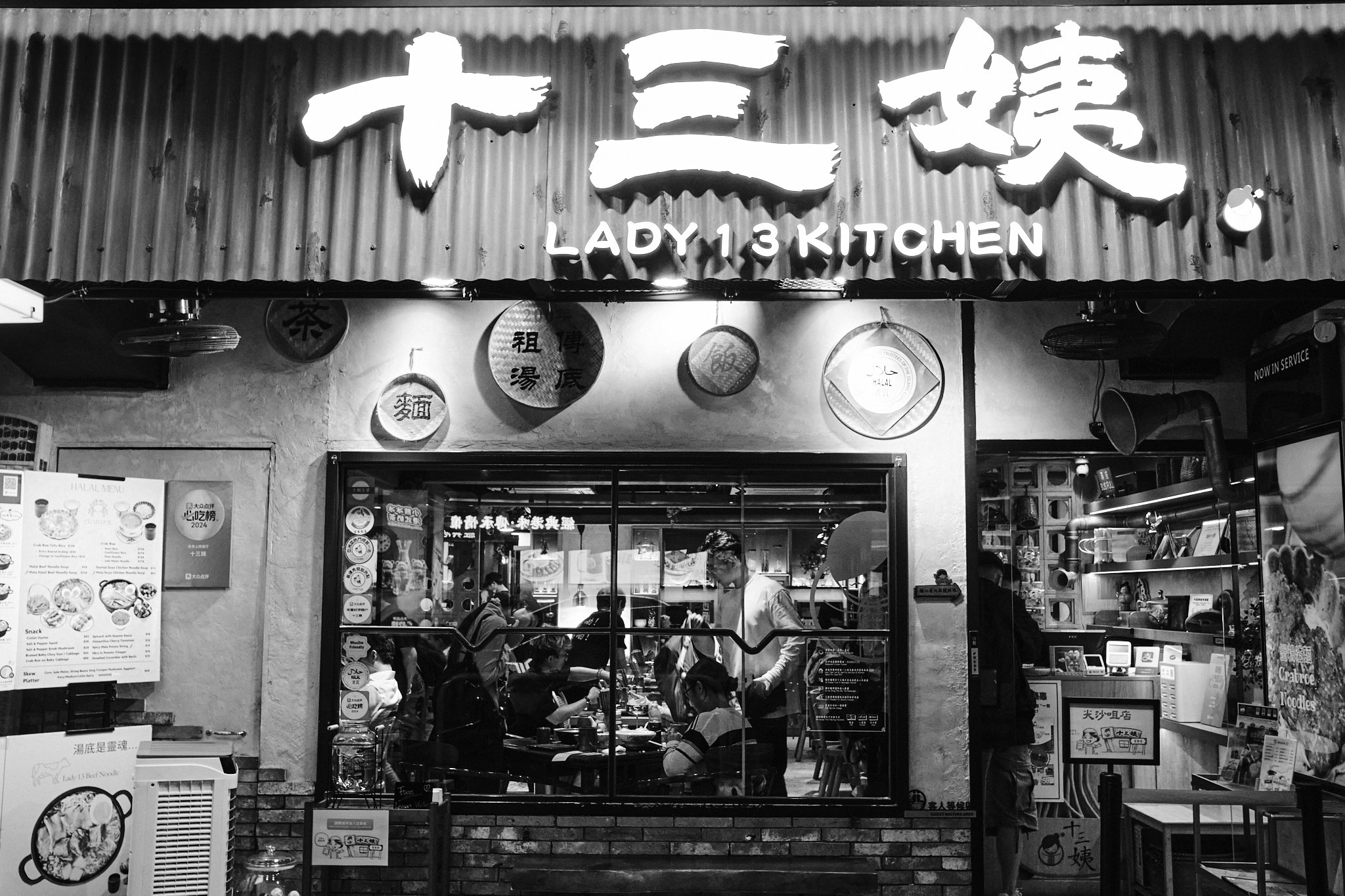
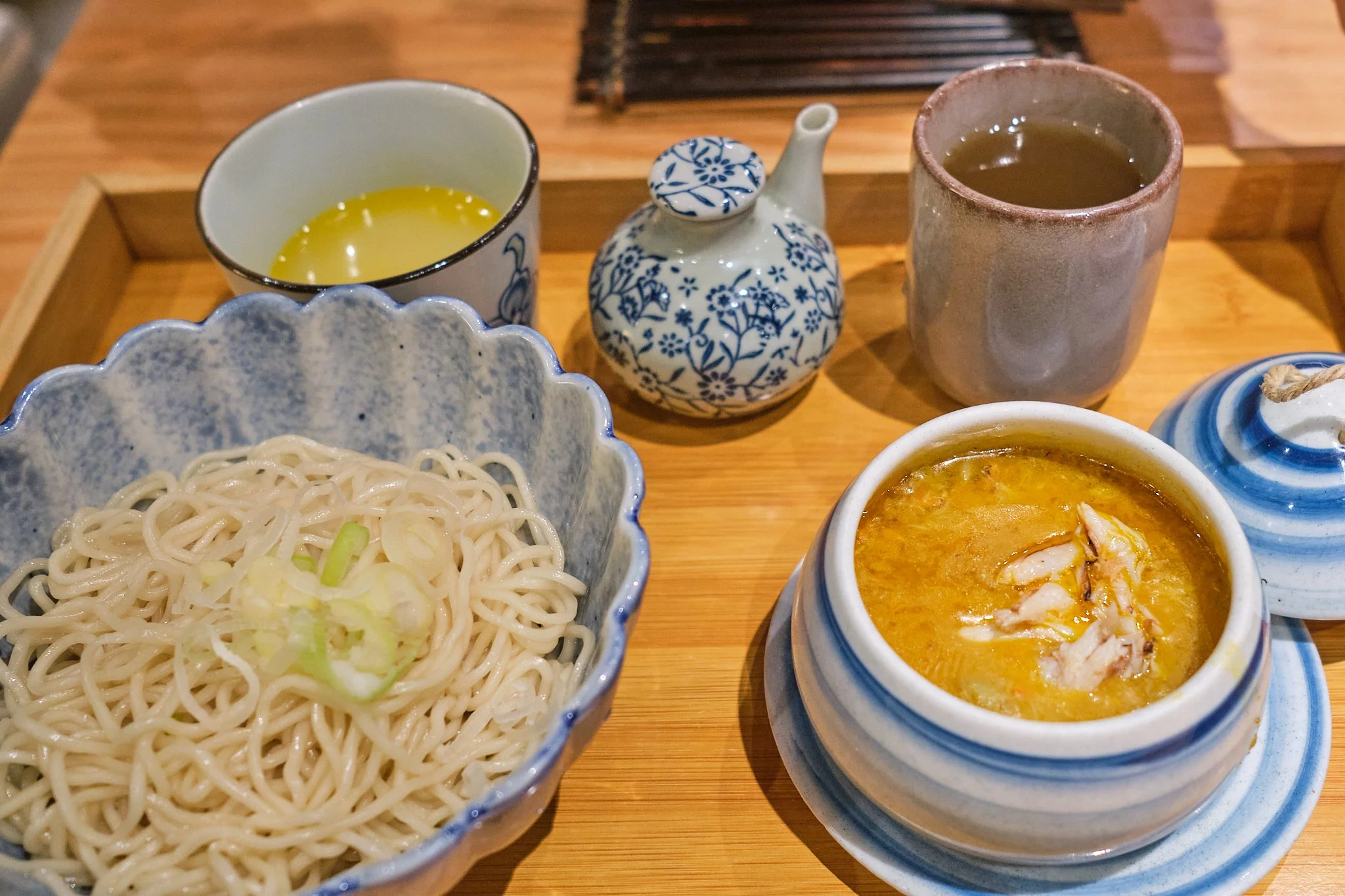
Back in TST, we ended the day at Lady 13 Kitchen, where I ordered the crab roe noodles. They were rich, creamy, and easily one of the best meals from our entire Hong Kong stay.
Day 3
Victoria Peak Tram and Summit
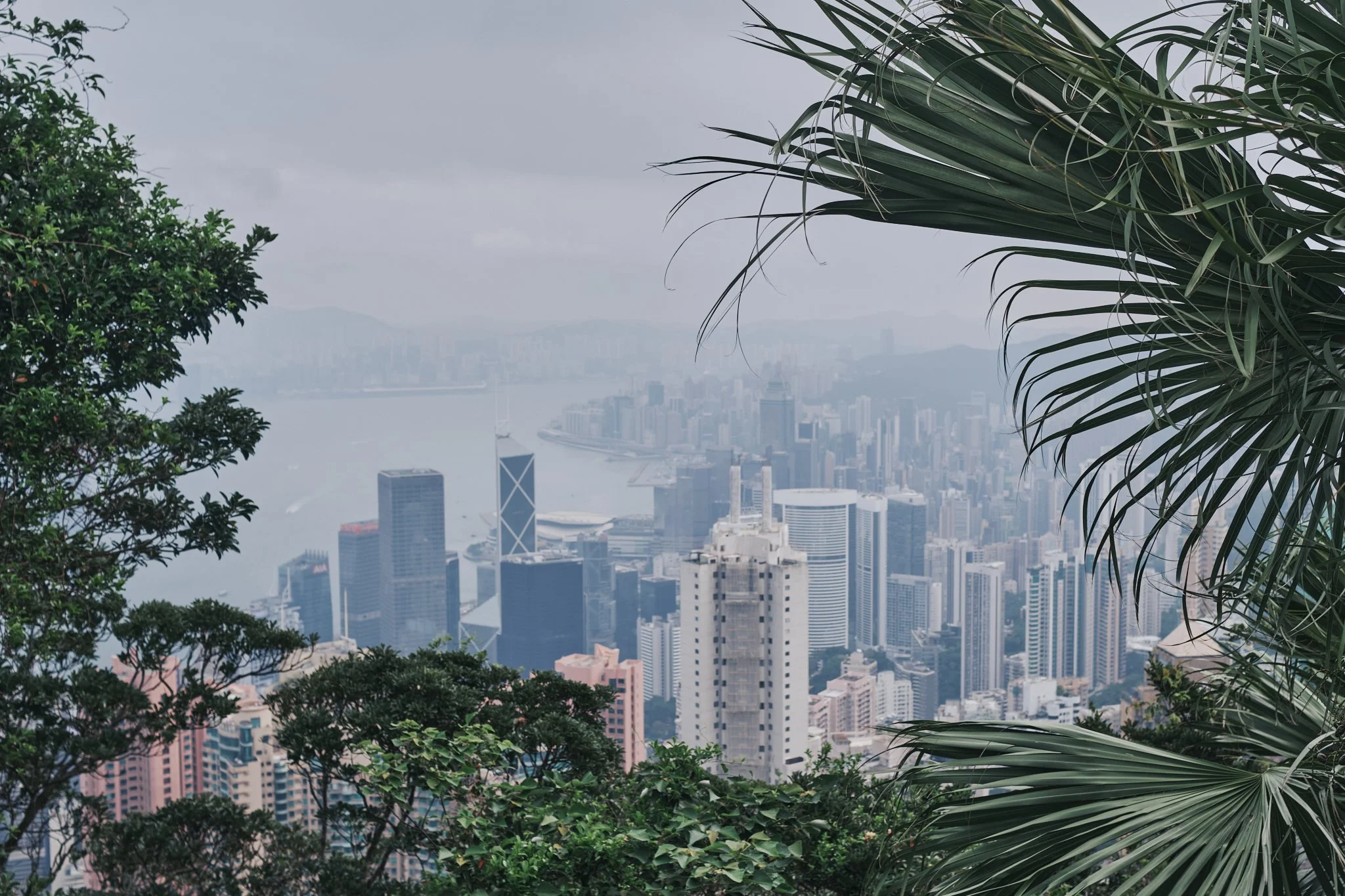
For our final morning, we took the historic Peak Tram up to Victoria Peak. The tram climbs at such a steep angle that the buildings outside seem to tilt. At the top, we walked along the viewing terraces and took in the entire sweep of Hong Kong—skyscrapers rising from the water, ferries moving across the harbor, and green hills framing everything. We grabbed a coffee and enjoyed the slow morning before hiking back down into the city.
Departure
After returning to TST, we collected our bags and took a taxi to the airport. Like everything else in Hong Kong, the process was quick and seamless.
Final Thoughts
Hong Kong surprised us in the best ways. It was incredibly clean—trains, platforms, sidewalks, all spotless—and even more efficient than we expected. Every station exit clearly listed the nearby attractions, so navigation was effortless. The food was consistently good, the temples were stunning, and the mix of nature and city made each day feel full.
Three days wasn’t nearly enough, but it gave us a perfect glimpse into one of the world’s most dynamic cities.